Why You Probably Don’t Need to Rush to the Doctor for That Tick Bite
Heather Heard, quality care coordinator – community outreach at Network Health
4/24/2026
When people think of ticks, they think of Lyme disease, caused by bacteria carried by infected deer ticks. It’s the most common tickborne illness in Wisconsin, one of the highest-risk states across the country in recent years. In 2024 alone, the state reported 6,469 cases of Lyme disease.
Over the last two decades, the incidence of Lyme disease has quadrupled, largely due to warmer winters and increased humidity. Ticks become active whenever daytime temperatures rise above 40°F. Because of this, Wisconsin tick activity now frequently begins as early as February and March, with peak seasons in the spring and fall.
But it’s important to note… Not all tick bites make you sick.
Which Ticks in Wisconsin Carry Lyme Disease?
While many might assume that all ticks carry and transmit Lyme disease, this isn’t the case.
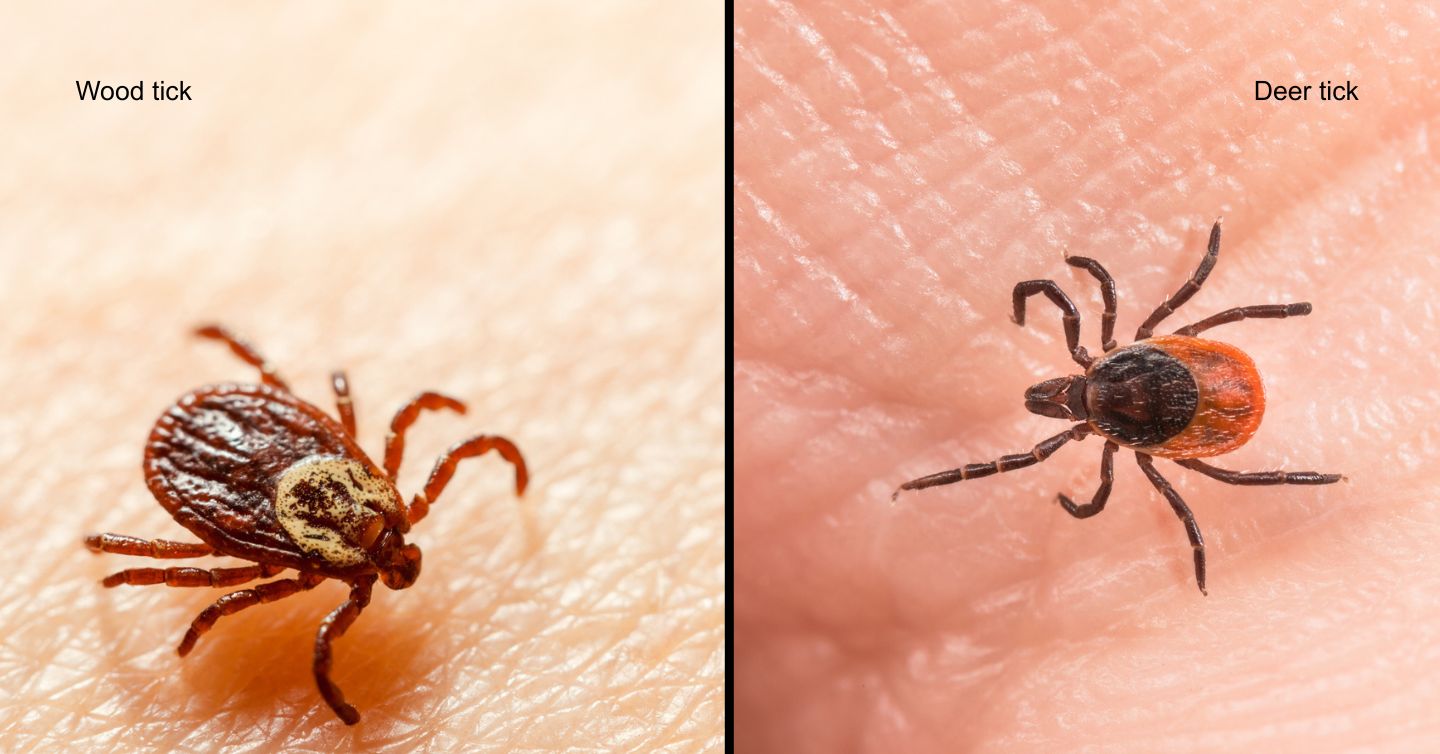
In Wisconsin, there are two main types of tick. The first is the blacklegged tick, commonly known as the deer tick. The deer tick can transmit harmful bacteria, viral and parasitic infections like anaplasmosis, babesiosis and Lyme disease.
The other type of tick is the American dog tick, otherwise known as the wood tick. This is a larger tick that is unlikely to transmit Lyme disease but can still transmit bacterial infections like Rocky Mountain spotted fever and tularemia. In Wisconsin, diseases from the bite of a wood tick are rare.
Do You Need to Go to the Doctor for a Tick Bite?
Because people hear these scary names like Lyme disease or Rocky Mountain spotted fever, some might assume that they need urgent medical care when getting bitten by a tick. The truth is that most tick bites do not require an immediate doctor’s visit.
That said, you should consult a health care professional if:
- The tick was attached for more than 36 hours (or you aren’t sure how long).
- You cannot remove the tick completely.
- You develop a fever, rash or body aches within 30 days.
Symptoms to Watch For:
- Early (3–30) days: A circular red, gray or purple rash that expands and often looks like a bull’s-eye, fatigue, headaches or joint pain.
- Late (Untreated): Joint swelling, facial weakness, heart palpitations or shooting pain/numbness in the hands or feet.
When and Where to Get Care for a Tick Bite
In most cases, there is no need for an urgent care or emergency room visit in the immediate hours or days following a tick bite. These types of visits will cost far more and may be more care than is needed.
Instead, a virtual care visit is often the fastest and most affordable starting point for receiving care if you are within 72 hours of removing a deer tick. If you have a rash, take a photo to share with the provider during your visit. Antibiotics may be needed, which can help prevent the spread of bacteria to the rest of the body.
When to call 911: Call 911 or seek emergency care immediately if you have trouble breathing, facial swelling, severe headaches, confusion or a stiff neck.
The CDC (Centers for Disease Control and Prevention) has a Tick Bite Bot interactive tool to help people determine if they need to see a doctor.
Remove the Tick As Soon As Possible
If you find an embedded tick, remove it as soon as you can. The longer a tick is attached, the higher the risk of infection.
Here’s how to do it:
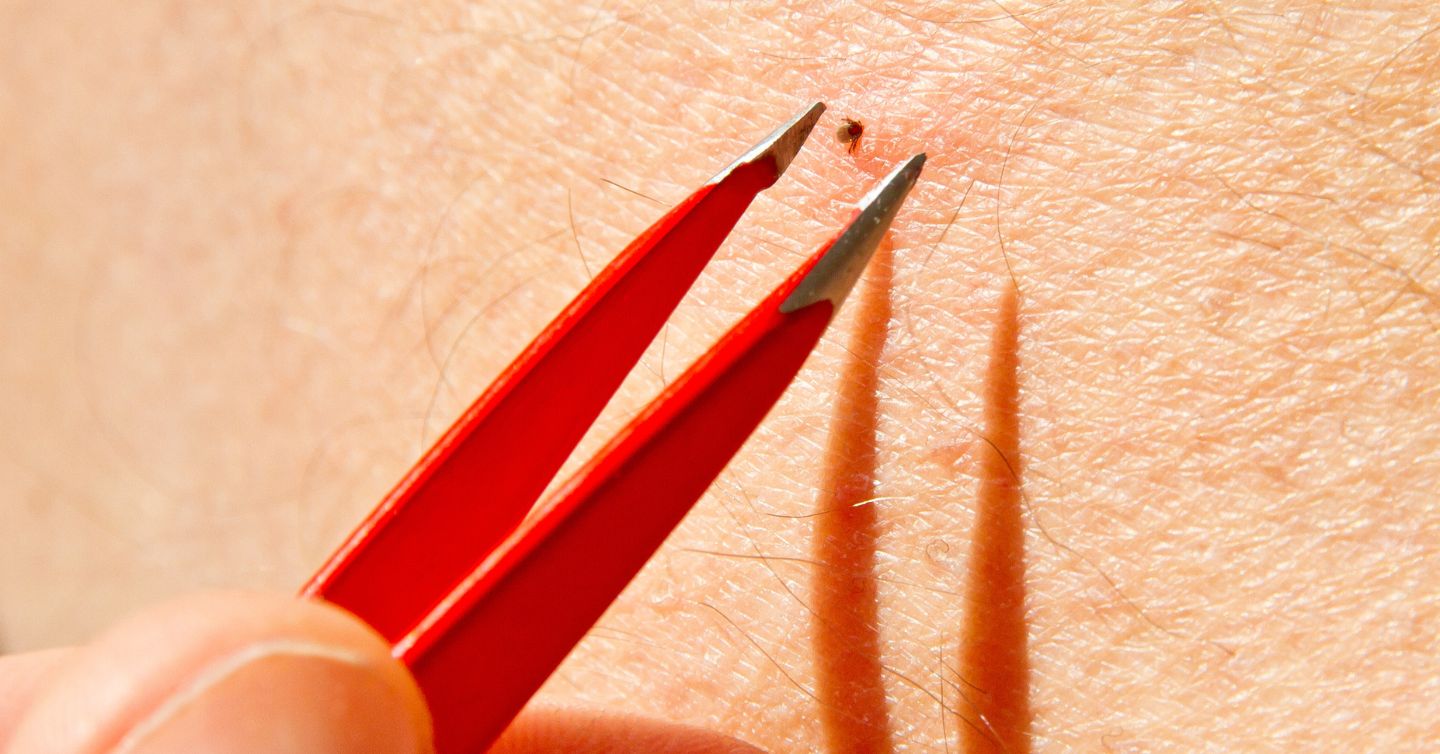
- Grasp: Use narrow-bladed tweezers to grasp the tick as close as possible to the skin.
- Pull: Pull upward and out with firm, steady tension. Do not twist. This can cause the mouthparts to break off into the skin.
- Clean: Thoroughly clean the bite area and your hands with rubbing alcohol or soap and water.
- Document: Place the tick in a sealed bag or container, and bring it to your appointment if you do see a health care provider. It is also a good idea to take a picture of the tick to help identify the tick. Alternatively, you can submit an image to the Wisconsin Department of Health Services
- Monitor: Continue to monitor your skin where the tick was embedded for changes.
What to Avoid: Do not burn the tick, cover it with petroleum jelly or apply fingernail polish. These methods are ineffective and can force infected saliva into the bite site.
Protect Your Home and Family from Wisconsin Ticks
You can protect yourself from ticks by using repellent on exposed skin and clothing, such as 20-30% diethyltoluamide (DEET), 10-20% Picaridin, 15-20% IR3535 or 30-40% oil of lemon eucalyptus. While these are safe to use on the skin, be sure to keep them away from the hands, eyes and mouth and apply them according to the label instructions. Permethrin is another repellent but should never be applied directly to the skin.
There are also actions you can take to keep yourself safe when out and about in the woods or on the trail. For example, stay on designated paths, avoid brushing up against bushes or plants, and steer clear of tall grass when possible. Wear light-colored long sleeves, long pants and tall socks to keep ticks off your skin. Tuck your shirt into your pants and your pants into your socks. You can tape your pants where they meet your socks for extra protection.
Some steps to keep you safe at home include mowing and trimming your grass, brush and weeds regularly, protecting pets with veterinarian-approved tick prevention and using tick repellents when playing or working outside.
Check yourself and your family for ticks after being outdoors where ticks may be present. Pay special attention to areas on the body with thinner skin, such as the armpits, behind the knees, scalp, in and around the ears, inside the belly button, and in and around the groin. Also check your clothing, gear and pets for ticks. Take a shower within two hours of coming inside to help find and wash off ticks.
So, if you’re ever unsure whether a tick bite needs medical attention, a virtual care visit is often the right first step. But don’t wait until a tick bite happens. Put these plans into action to keep ticks away from you, your yard and your family.
Resources
http://dhs.wisconsin.gov/tick/bite-prevention.htm
https://www.cdc.gov/ticks/prevention/index.html
https://www.dhs.wisconsin.gov/tick/about.htm
https://www.dhs.wisconsin.gov/tick/lyme.htm