How Spring Cleaning Can Support Your Health and Well-Being
By Sam Van Nuys, BS, NBC-HWC, CWP, DTTAC Lifestyle Coach, community wellness coordinator at Network Health
3/31/2026
When most people think about spring cleaning, they think about organizing closets or washing windows. But spring cleaning for your health goes far beyond appearances. Creating a cleaner, fresher home can support both physical and mental health, especially after a long winter spent indoors.
During colder months, homes stay closed up, physical activity often slows down and dust, allergens and moisture tend to build up. Spring offers the perfect opportunity to refresh your space and your well-being by focusing on the health benefits of a deep clean.
In Wisconsin and other cold-weather climates, winter can significantly impact a home’s indoor air quality. Limited airflow allows allergens, bacteria and moisture to linger inside, sometimes contributing to allergy symptoms, respiratory irritation and fatigue.
Spring cleaning helps…
- Improve indoor air quality
- Reduce allergens in the home
- Create a healthier home environment
- Boost energy and motivation
Longer days and increased sunlight also make spring a natural time to feel more motivated to tackle cleaning tasks, even if they are small ones.
The Physical Health Benefits of Spring Cleaning
Spring cleaning doesn’t have to be an intense workout to benefit your body. In fact, many common cleaning tasks count as meaningful physical activity, particularly for older adults or anyone easing back into movement after winter.
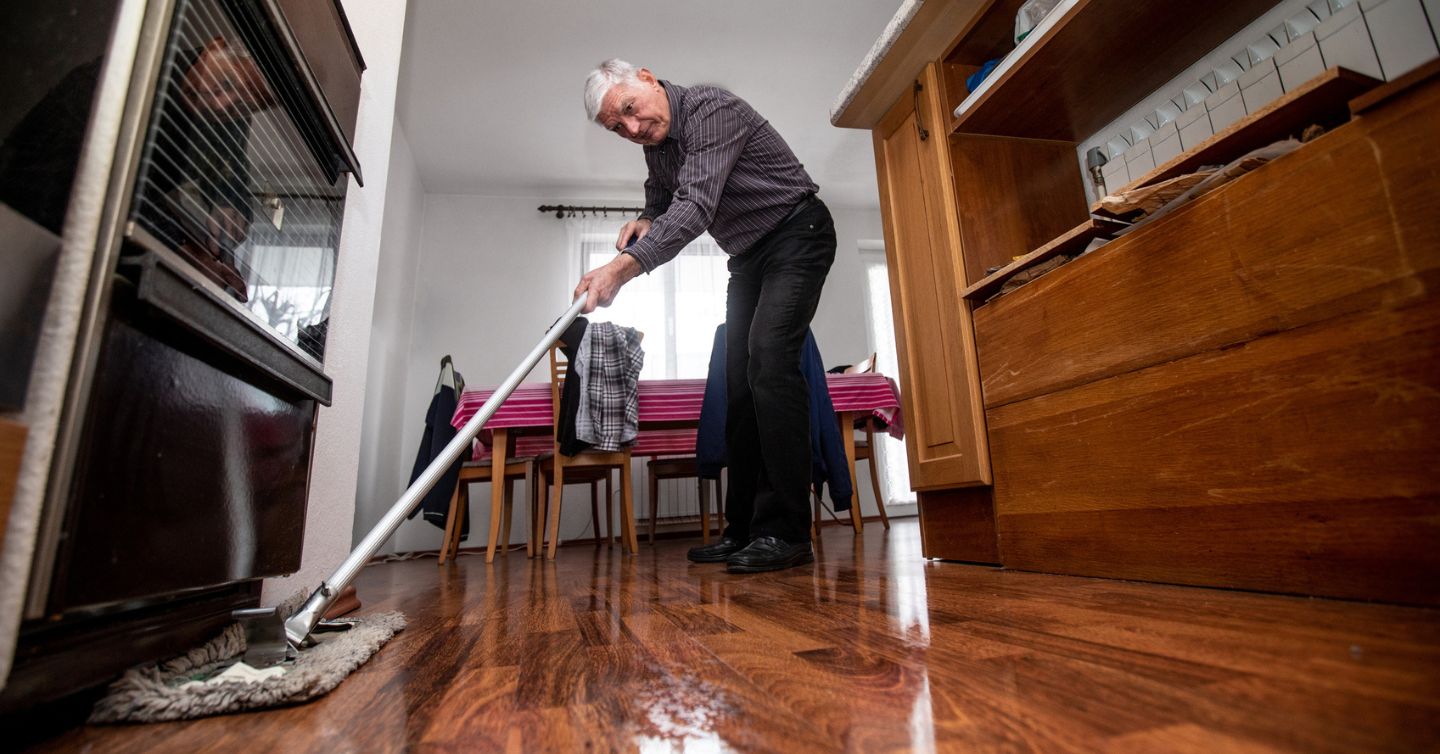
Things like vacuuming, mopping, dusting, organizing and yard work can all support your physical well-being. They help with strength, mobility, balance, flexibility, blood flow and circulation, and joint health.
For many people, spring cleaning provides moderate physical activity, helping reduce sedentary time and increase overall daily movement. These small bursts of activity can support cardiovascular health, energy levels and mood.
The Mental Health Benefits of Spring Cleaning
Clutter doesn’t just affect your space. It also affects your stress levels. Overcrowded rooms can overstimulate the brain and make it harder to relax.
On the flip side, decluttering can reduce stress and help with mental clarity. A clutter-free space can create a greater sense of calm and control. On top of that, just the act of completing manageable tasks provides a sense of accomplishment that can boost your mood and emotional outlook.
Spring Cleaning Tips: Start Small and Pace Yourself
Of course, we recognize that there are barriers to spring cleaning. It can feel overwhelming. That’s why it’s important to take a realistic approach to make it more sustainable, manageable and healthier.
Here are some quick spring cleaning tips you can try.
- Focus on one room, drawer or category at a time.
- Spread tasks out over days or weeks.
- Take regular breaks.
- Listen to your body and avoid overexertion.
- Ask for help with lifting or heavy work.
Remember, progress is far more important than perfect. You don’t need to clean the entire house at one time. Just cleaning out a little bit here and a little bit there can go a long way.
Overlooked Areas That Affect Indoor Air Quality
A big benefit to spring cleaning is improving the indoor air quality of your home. Simply getting rid of some of the obvious dust can help a lot, but there are commonly overlooked areas that should be addressed as well.
One of which is your furnace filter or air vents. Replacing your filter as needed or even having a professional come clean out your air ducts can really help keep dust at bay in your home.
Under or behind large furniture is another area that loves to collect dust or pet hair. So get a vacuum in those areas, and if needed, have someone help you move furniture for a full cleaning.
Other overlooked areas include the following.
- Curtains and blinds
- Window sills and sliding door tracks
- Basements and storage areas
- Mudrooms and shoe closets
All of these areas are prone to dust and much more, including pet hair, mildew and mold. These are allergens that can greatly affect indoor air quality and respiratory comfort.
Importance of Indoor Air Quality
Indoor air quality is crucial for a healthy home. When the air indoors is filled with allergens or other contaminants, it can lead to allergy symptoms or respiratory difficulties, especially for anyone with a respiratory condition.
But there’s one thing you can do, even if you ignore all our other recommendations, that can make a big difference and requires almost no effort: open your windows. Opening your windows creates a cross-breeze that sends fresh air inside and helps get rid of some of that stale air that builds up over the winter.
Even if the temperature outside is somewhat cool, just having your windows open for 15-20 minutes is well worth it.
When to Talk to Your Personal Doctor
While spring cleaning is expected to help with respiratory issues, there are signs to watch for that would indicate that a simple cleaning of your home isn’t enough to ease any respiratory symptoms you might be having. Watch out for the following.
- Allergy symptoms that persist beyond cleaning
- Wheezing, chest tightness or shortness of breath
- Ongoing headaches, brain fog or poor sleep
- Visible mold or moisture damage

But respiratory symptoms aren’t the only factor to consider. Spring cleaning can highlight concerns with your mental health as well. If you are experiencing severe stress or anxiety related to clutter or cleaning, it’s OK to reach out for help about that too.
Spring cleaning isn’t about achieving a perfect home. It’s about creating a healthier environment that supports your lifestyle. By approaching it gradually, but intentionally, you can improve indoor air quality, increase physical activity, reduce stress and feel more energized.