Sweat, Supper and Community: The Wisconsin Clubs That Invented Wellness Before Wellness Existed
Wisconsin Turner Halls and the History of America’s Early Wellness Movement
Picture Milwaukee in the 1850s. Cream-colored brickwork. The recently constructed Cathedral of St. John the Evangelist. A harbor packed with lake schooners and steamboats filled with grain. A bustling open-air market in the heart of the city. And gymnastics.
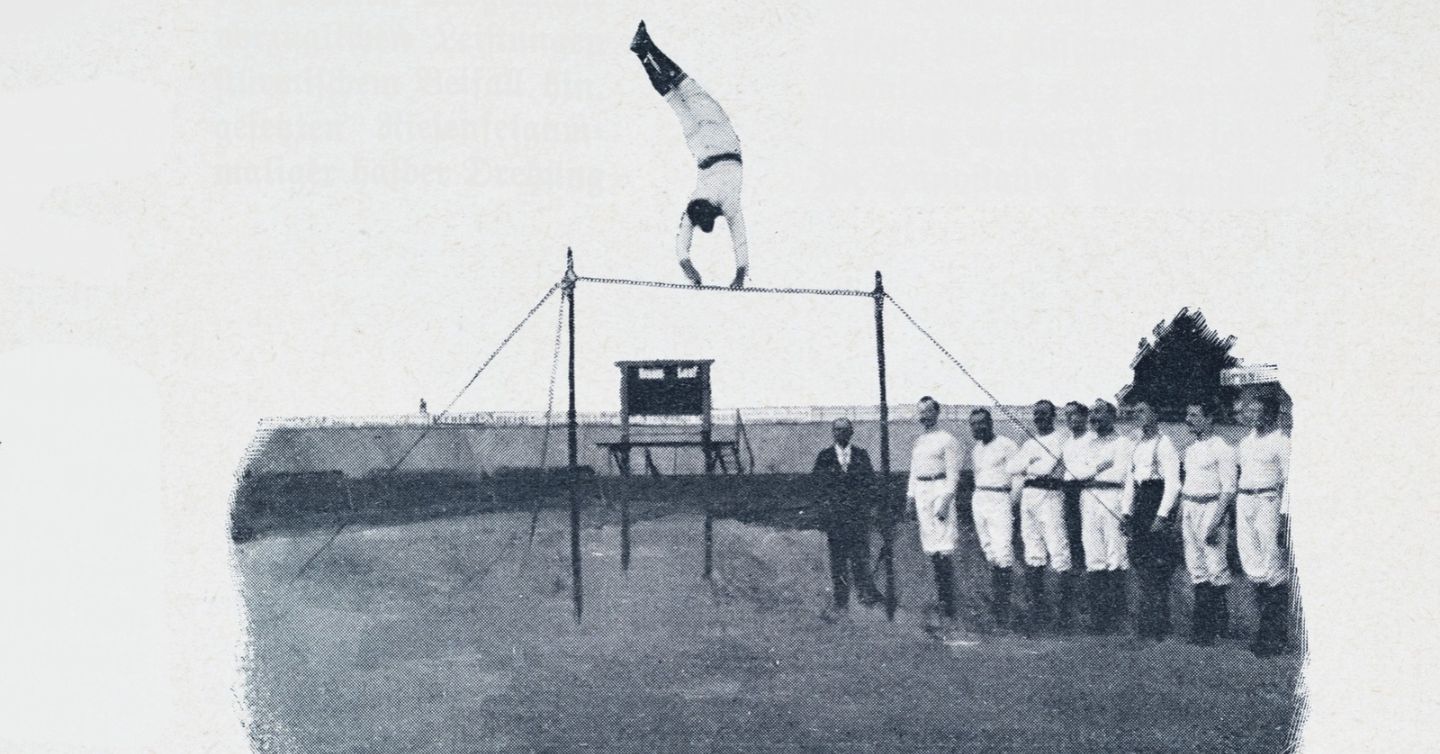
Gymnastics? Yes, gymnastics. Popularized by German and Swiss immigrants, gymnastics became a big deal in Wisconsin. The idea behind it was simple: a sound mind and a sound body go hand in hand. So they started clubs, similar to the clubs they had in Europe. These were called Turner societies or clubs, deriving from the German word “turnen” that means “to do gymnastics”.
Back then, health was often something you worried about only once you were sick. Exercising for the sake of it wasn’t as common as it is today. The Turners flipped that idea on its head.
They believed in staying well rather than just going to the doctor when they were sick. This was accomplished through group exercise using balance beams, pommel horses, ropes hung from parallel bars and many of the things we would refer to today as gymnastics.
Imagine participants doing calisthenics, working on the bars and rings, or training with weights, all moving together while a live pianist played marches and waltzes… A room full of people doing synchronized exercise to a brass-band favorite. We’d happily sign up.
What Were Turner Halls?
But these clubs were about more than exercise. They were a place for the mind too, where someone could attend a lecture, take an art class and converse with neighbors.
Sunday became the popular day of the week for getting together at these Turner Halls (Turnhalle), and it was often a whole-family affair. On the main level was a hall for gymnastics and other exercise. On the lower level was the Ratskeller, or cellar, where people could enjoy a meal together and talk about the issues of the day. Sweat first, supper second and conversation always.
It turns out that’s a pretty Wisconsin way to build a healthy community.
Turner Halls in Wisconsin
In many states, Turner clubs were in the big cities. In Wisconsin, they expanded to smaller towns as well.
In Monroe, for example, Swiss cheesemakers and dairy farmers founded their own hall in 1868. It’s still there, and it’s still helping families enjoy the traditions that built the community, including the Ratskeller Restaurant and a grand hall for events. Instead of gymnastics, the building is equipped with bowling lanes.
Another hall was built in the 1860s in Fredonia, a town in Washington County, called Fillmore Turner Hall. And just as these halls are meant to be, it was a full community affair. Every member donated a full day of labor to bring the building to life.
The most well known Turner hall in Wisconsin today, however, is Turner Hall in Milwaukee. Built in 1882, the hall was a marvel of its time. Still today, it remains an icon of the city with its cream-color bricks and Victorian style. Inside, the hall featured a gymnasium in the basement, a Ratskeller social hub and a ballroom. Back then, about 1 in 12 Milwaukee residents was part of a Turner society, so one can imagine how active this building must have been, bustling with families, athletes and performers.
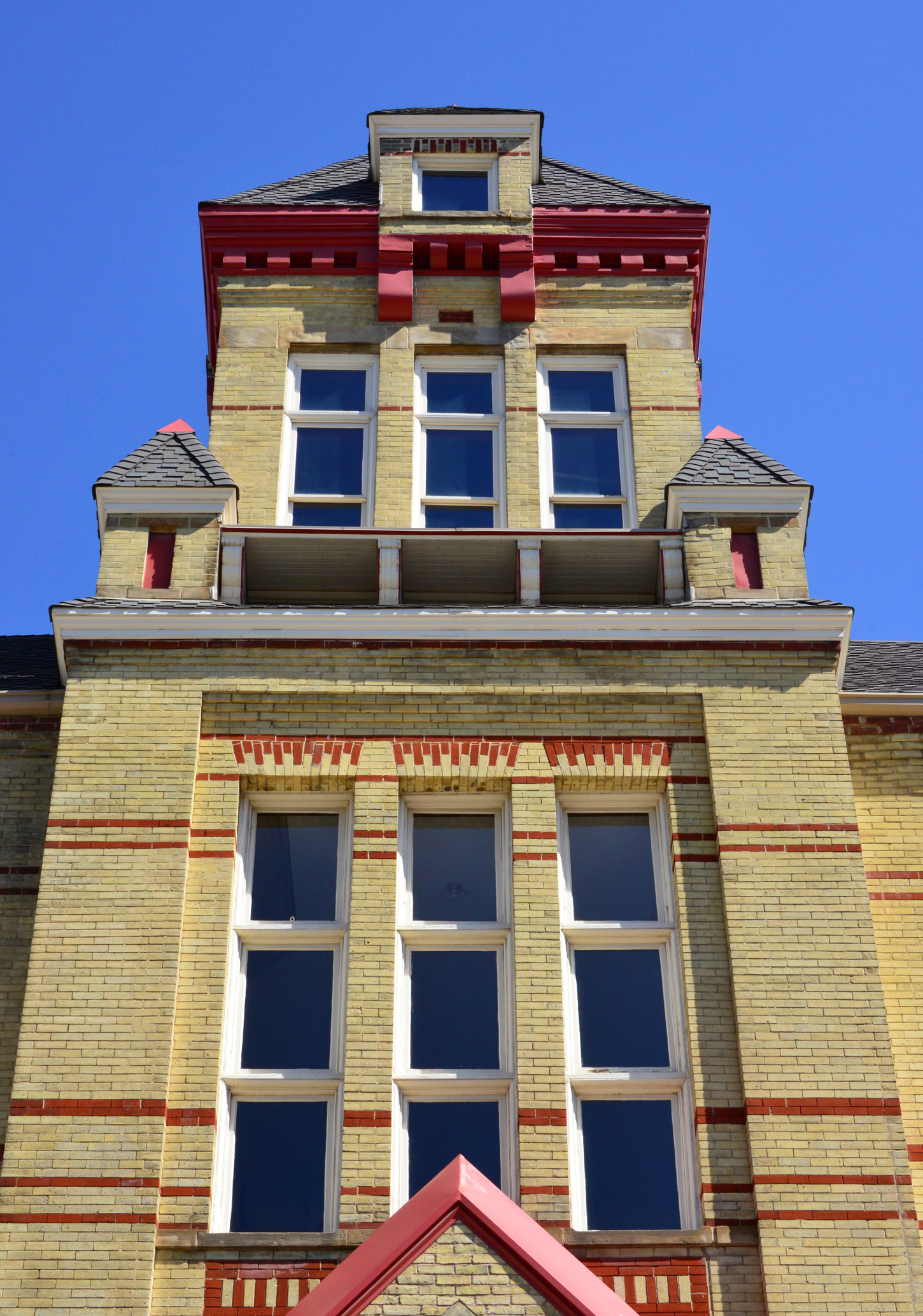
What’s neat about Turner Hall in Milwaukee is that it’s still very much active today, and in many of the same ways. The Milwaukee Turners are still around, with a gym for gymnastics and rock climbing, education on social issues and the famous ballroom that continues to host legends of music, comedy and more.
The Turners Legacy on Wellness in Wisconsin and Beyond
The Turners’ influence spread well beyond their own walls. In 1875, Milwaukee Turners director George Brosius persuaded the city to adopt Turner-style exercise as the first physical education program in Milwaukee’s public schools. Milwaukee became the hub for training Turner gymnastics instructors, who would later become physical education teachers or youth fitness leaders.
The Turners were also ahead of their time when it came to women’s fitness. In an era when many incorrectly believed that vigorous exercise could be harmful to women, the Milwaukee Turners offered women’s classes as early as the 1880s.
Fast-forward to the 1970s, when the University of Wisconsin–Stevens Point became home to what’s often called the first campus wellness center, shaped by pioneers like Dr. Bill Hettler. It’s tempting to see that as a brand-new idea. But many Wisconsinites had been living it for a century: mind, body, and community, all tied together.
Why It Still Matters Today
The Turners’ most influential idea was that it’s better to stay well than to wait until something goes wrong. That’s still the heart of preventive care today: regular checkups, staying active and paying attention to how you feel, body and mind.
They also knew nobody does it alone. Their halls worked because neighbors showed up for each other, and because everyone, including women, farmers and kids, had a place to take part. Good health has always been a team effort here, and a little encouragement goes a long way.
So the next time you catch a concert at the Turner Hall Ballroom, dance at a wedding on an old gymnasium floor, or head out for a Friday fish fry with the whole family, remember that you’re taking part in a very old Wisconsin tradition. Staying well has always been something we do together, and we think that’s worth celebrating.
Sources
https://www.milwaukeeturners.org/history
https://epublications.marquette.edu/cgi/viewcontent.cgi?article=1272&context=hist_fac
https://www.wpr.org/history/gymnastics-politics-fitness-and-community-milwaukees-turner-hall
https://www.turnerhallballroomweddings.com/history
https://shepherdexpress.com/culture/milwaukee-history/history-of-turner-hall/
https://www.milwaukeeturners.org/turner-ballroom
https://www.fillmoreturnerhall.com/about



