Why Women Often Put Their Health Last and Why That Needs to Change

By Jennifer Footit-Tank, BSN, RN, senior quality care coordinator at Network Health
10/2/2026
Women are often the ones making sure everyone else is taken care of. They schedule appointments for their children, help aging parents, support spouses and partners and manage work responsibilities. Somewhere between all those demands, their own health can slip to the bottom of the list.
According to a 2024 Gallup and Hologic survey, 63% of women in the U.S. report finding it difficult to make their own health a priority. The numbers are striking: of 72 million women who have skipped or delayed a recommended health screening, 41% reported missing breast cancer screenings, 35% skipped cervical cancer screenings and 33% did not complete recommended colorectal cancer screenings.
A common thread runs through many of these decisions: women are often so focused on taking care of others that they neglect their own preventive care. Busy schedules, competing priorities and feeling healthy can all make it easy to postpone an annual physical or screening.
Feeling Healthy Doesn't Mean Preventive Care Can Wait
One of the biggest misconceptions about preventive care is that it's only necessary when something feels wrong.
But health should be thought of like building a house. In your 20s and 30s, you're laying the foundation by establishing healthy habits and addressing health concerns early. In your 40s and 50s, you're adding the tools and strategies needed to stay healthy as your risk for certain conditions increases. By your 60s and beyond, you're preserving the health and independence you’ve worked hard to build.
Preventive care helps support every stage of that journey.
Cancer screenings are one example. About one in three women will develop cancer during their lifetime, and cancer rates among women younger than 50 have been gradually increasing. Preventive screenings can help identify concerns earlier, when there may be more options available for treatment and care.
Women Aren’t Feeling Respected
Time isn't the only reason women delay care.
Some women have had difficult experiences within the health care system. They may have felt unheard during appointments, felt their concerns weren't taken seriously or left feeling judged because they were behind on screenings or lab work. Others may have been overwhelmed by financial concerns or confused about health care costs.
At the heart of many of these experiences is a simple issue: they didn't feel respected.
When that happens, it can be tempting to avoid future appointments altogether. But it’s important not to let one negative experience define all future care.
Finding the right provider is kind of like shopping for shoes. If one pair doesn't fit, most people don't stop wearing shoes altogether. They keep looking until they find the right fit. The same approach can apply to finding a doctor. Asking trusted friends, family members and coworkers for recommendations can help women find someone whose communication style and approach match their needs.
Why Having a Primary Care Provider Matters
One of the most common reasons women fall behind on preventive care is that they don't have an established primary care provider.
Without a regular provider, many people only seek care when an urgent illness or injury arises. Those visits often focus on the immediate issue and leave little time to discuss preventive screenings, overall wellness or future health goals.
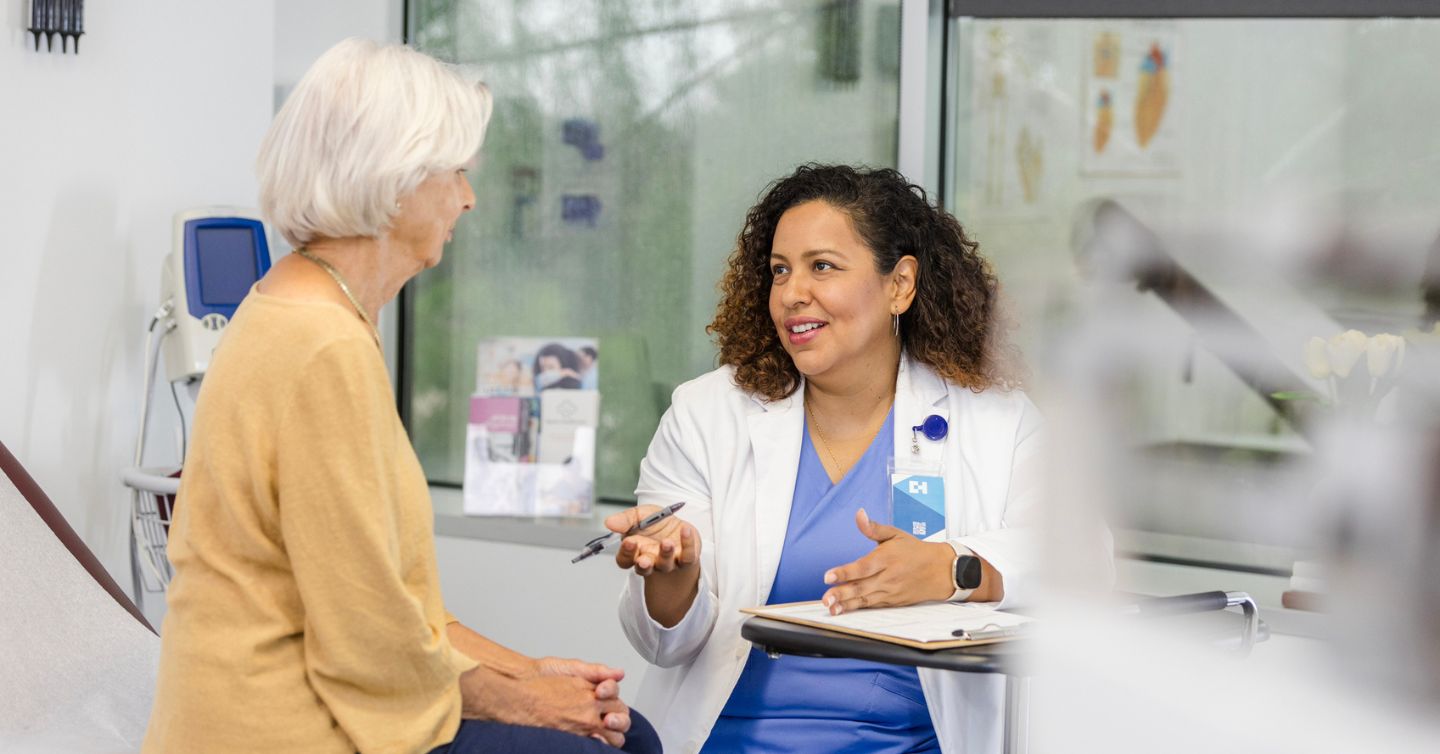
Having a doctor who understands a person's medical history allows for more personalized recommendations. This is especially important because screening guidelines can vary depending on age, risk factors and family history. Annual wellness visits create opportunities to discuss what screenings are appropriate and when they should occur.
Research has consistently shown that women who maintain regular appointments with a primary care provider are more likely to stay current with recommended screenings.

Small Steps Can Make a Big Difference
For women who feel overwhelmed, taking better care of your health doesn't have to start with a complete lifestyle overhaul. Just start with one simple action: schedule an appointment.
If it's been a while since a physical, pick up the phone and make the call. Better yet, schedule next year's annual physical before leaving this year's appointment so it's already on the calendar.
Other practical strategies include:
- Setting reminders in a phone calendar for annual physicals, mammograms, colorectal screenings and other preventive services.
- Using patient portal tools that provide screening reminders and online scheduling options.
- Treating health appointments with the same level of importance as work meetings or family obligations.
- Attending appointments without children whenever possible, allowing focused, uninterrupted conversations with providers.
- Contacting an insurance company to better understand preventive care coverage, since many screenings may be available at little or no cost.
Your Health Matters, Too
Women often carry the responsibility of caring for everyone around them. That responsibility can make it easy to believe that taking time for personal health is selfish.
It's not.
Staying healthy is one of the best ways women can continue showing up for the people who depend on them. Taking time for preventive care is not selfish. It's essential for maintaining a healthy, balanced life.
If you've fallen behind on screenings or checkups, there's no reason to feel guilty. Think of it as a fresh start. Your provider isn't focused on why you're behind. They're focused on helping you move forward.