Why More Younger Women Are Getting Breast Cancer

By Jennifer Footit-Tank, RN, BSN, senior quality coordinator at Network Health
7/1/2026
Breast cancer rates are rising in younger women. While the median age at diagnosis is 62, cases under 50 are increasing at a faster rate. For older women, we’re seeing an increase of 1 percent, but for cases in those under 50, we’re seeing an increase of about 1.4 percent.
If that feels scary to you, you’re not alone. Those numbers may seem like a small difference, but they indicate a worrying trend. Your risk for cancer tends to increase as you age, and while that remains the case for breast cancer, it’s alarming to see the increase in young women out-pacing the increase in older women.
It’s natural to be concerned amidst changing health risks, and it’s normal to ask questions. You might wonder if you should be doing anything differently or if there is anything you can do to account for this increase. Thankfully, there are steps you can take. You’ve already taken the first step by reading this article and making yourself aware. Now, let us guide you through the rest.
Understanding the Breast Cancer Trend
Let’s start by being clear on what the data shows. Yes, women under 50 are getting breast cancer at a faster rate than older women. This isn’t to say that most breast cancer is occurring in that age group, though.
Most breast cancer still occurs in women over 50. That hasn’t changed. What has changed is the number of younger women being diagnosed with this cancer. And this is concerning for a number of reasons, one of which is the fact that cancer in younger women can be more aggressive. In fact, breast cancer is the leading cause of cancer death in women ages 20-49.
Do We Know What’s Causing More Breast Cancer in Younger Women?
The big question is why is the increase happening? It’s a tough question to answer, as there is no single cause. More likely, it’s a combination of lifestyle and environmental factors.
1. Inherited Genetic Mutations – BRCA1 or BRCA2
Women who have these genetic mutations are at an increased risk for breast cancer. They are more commonly diagnosed in young women
2. Excess Body Weight
It may not be surprising that the modern lifestyle comes with decrease physical activity for many people. We also consume more processed foods than we did in the past. This all contributes to excess body weight, which puts people at a higher risk of cancer.
3. Environmental Factors
There’s not enough conclusive data yet to suggest that environmental factors, such as exposure to chemicals, pollution or medications might be causing increased breast cancer rates for young women. That said, there are currently many research projects looking into these potential causes.
4. Having Children at an Older Age
Many women are having their first child over the age of 30, and more women than before are choosing not to get pregnant at all. But pregnancy under the age of 30 and breastfeeding have been shown to help protect against breast cancer.
5. Earlier Periods and Later Menopause
We see young women today getting their first period at an earlier age, with menopause also coming at a later age. This exposes women to more of the hormone estrogen over time, which fuels many breast cancers.
What Can Younger Women Do to Lower Their Breast Cancer Risk?
Of course, there’s only so much you can do to counteract or eliminate those factors above. You can’t change your genetics, you can’t control when your first period occurs or when menopause starts, and everyone has to do what’s right for them when it comes to having children.
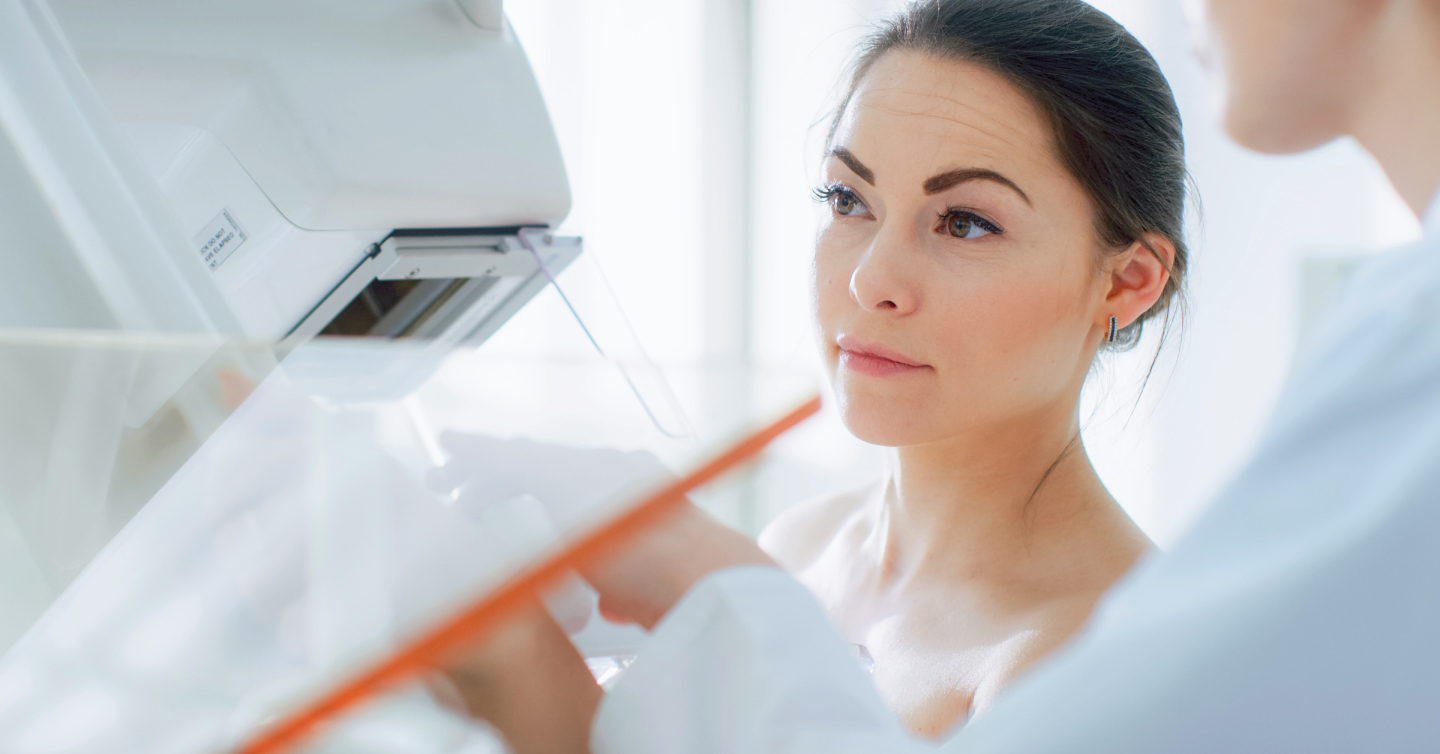
What younger women can do, however, is be aware and be diligent when it comes to preventive actions, like at-home checks or talking to their doctor about getting mammograms. Currently, there are no screening guidelines for women under 40, but a doctor may identify a need for mammograms sooner due to an individual’s risk factors.
But mammograms aren’t necessarily the right first step. Again, it depends on a person’s risk, and those with a lower risk may not benefit from regular mammograms. In fact, they could cause more anxiety than they are worth.
For those with a family history of breast cancer, genetic screening may be a good first step. Then, based on the results, a doctor can determine if routine mammogram screening at an earlier age would be beneficial.
At home, you can focus on healthy living (limiting drinking, eating healthy and avoiding exposure to chemicals) and self exams. This means checking for:
- Lumps that weren’t there before
- Dimpling
- Rash that doesn’t go away
- Pain
- Discharge from the nipple
- Any wounds on the skin of the breast that won’t heal
- Asymmetry of the breasts that didn’t exist before
Check for these symptoms each month. If you notice any, notify your doctor.

Will Insurance Cover Preventive Mammograms Before Age 40?
For women age 40 or above, there should be no reason to anticipate complications when it comes to health plan coverage for routine, preventive mammograms. But things can get more complicated for women under age 40, since that is the recommended age for these screenings to begin.
That is why it’s important to have those conversations with your doctor if you’re younger than age 40 and suspect you might be at risk or have concerning symptoms. Even then, however, there is no guarantee that your health plan will cover it.
If cost is a concern, consider using the National Breast and Cervical Cancer Early Detection Program. Here in Wisconsin, it’s called the Well Woman Program. The program helps those with little or no insurance cover screenings for breast and cervical cancers.
Start the Conversation
If you take anything away from this article, let it be the importance of starting conversations about breast cancer risk with your doctor and your family members. If you know you have a history of breast cancer in your family, tell your kids or grandkids. If you have concerns about your risk, talk to your doctor.
 If you like this article, follow us on Facebook for more like it.