Bone Fracture After 50? It’s a Sign to Take a Closer Look at Bone Health
By Sara Abrahamson, quality care coordinator at Network Health
8/19/2026
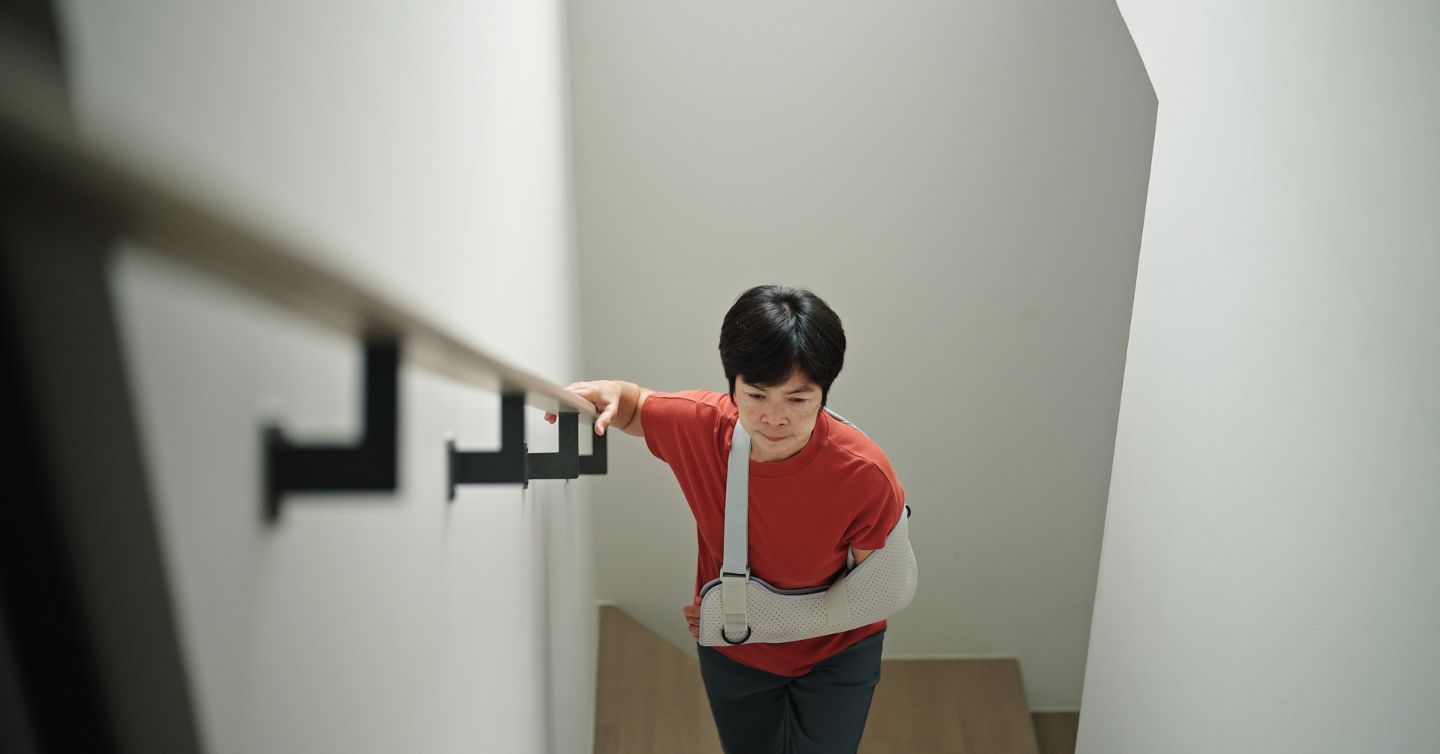
When most people over 50 break a bone, their focus is understandably on healing the fracture. Maybe you slipped on ice. Maybe you missed a step. Maybe you fell while working in the yard or staying active with family.
Once the fracture is treated and you’re feeling better, it’s natural to think the ordeal is behind you. Sometimes it is… But one thing we’ve noticed with osteoporosis screening is that many people view a fracture as an isolated incident. At age 50 or older, however, that often isn’t the case.
A Bone Fracture Can Be a Sign of Something More
One of the challenges with osteoporosis is that it often develops quietly. Many people don’t have symptoms. They aren’t in pain. They remain active and feel healthy.
Because of this, osteoporosis can go undiagnosed for years. In some cases, a broken bone is the first sign that something else may be going on.
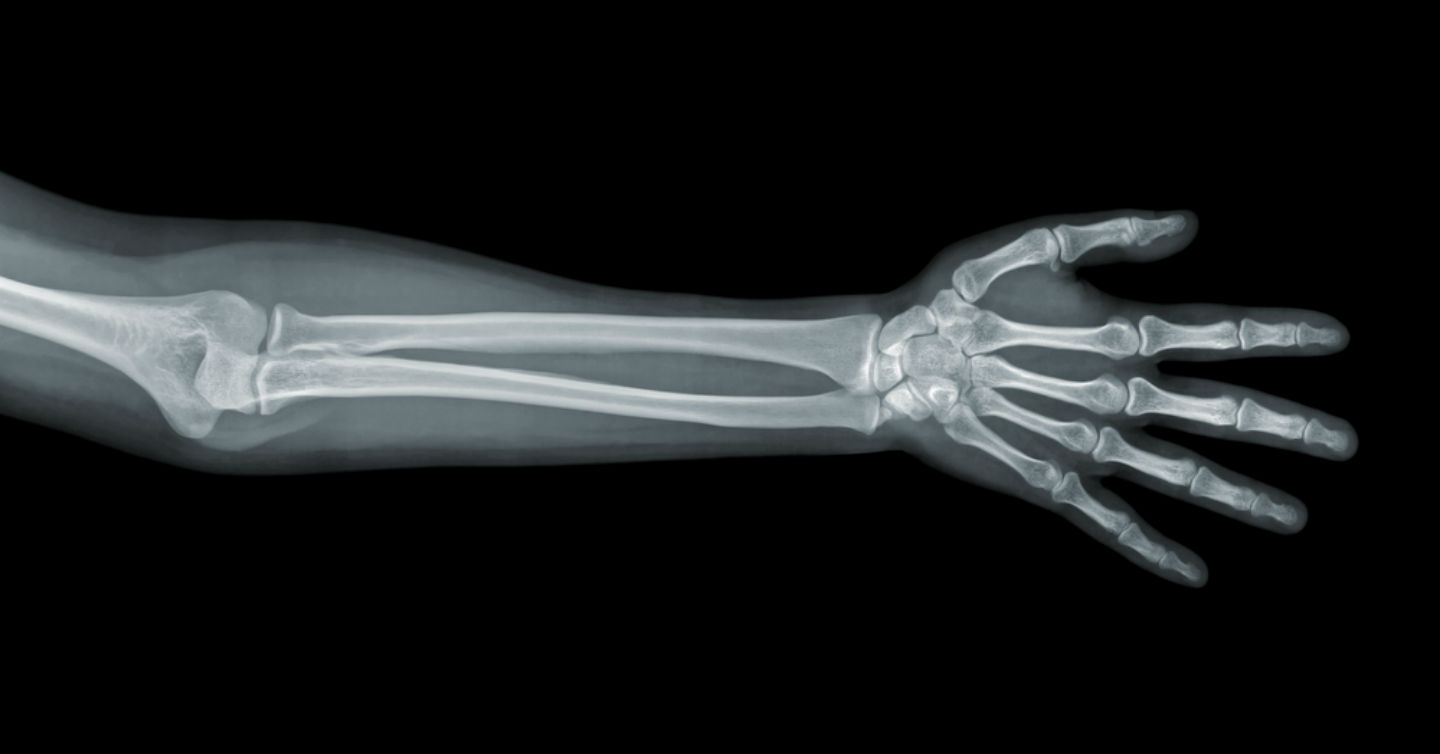
That’s why health care providers often pay close attention to fractures that happen later in life, especially those involving the hip, spine, wrist, upper arm or pelvis. These are sometimes called fragility fractures because they can occur after relatively minor falls or low-impact injuries.
Of course, that doesn’t mean every fracture is caused by osteoporosis. A fracture may simply be the result of an accident. But after age 50, it’s worth asking whether there could be an underlying cause that deserves a closer look.
“The fracture healed… I don’t think I need any additional testing.”
It can be easy to think that if the fracture heals successfully that everything is fine, but osteoporosis doesn’t necessarily cause symptoms that would make someone think they need to be screened.
Let’s be clear: The goal here isn’t to create unnecessary worry. The goal is to prevent future fractures. If underlying bone loss is found, the risk of additional fractures increases. Some people can even experience recurring fractures in the same area.

One Simple Test Can Tell You If You Have Osteoporosis
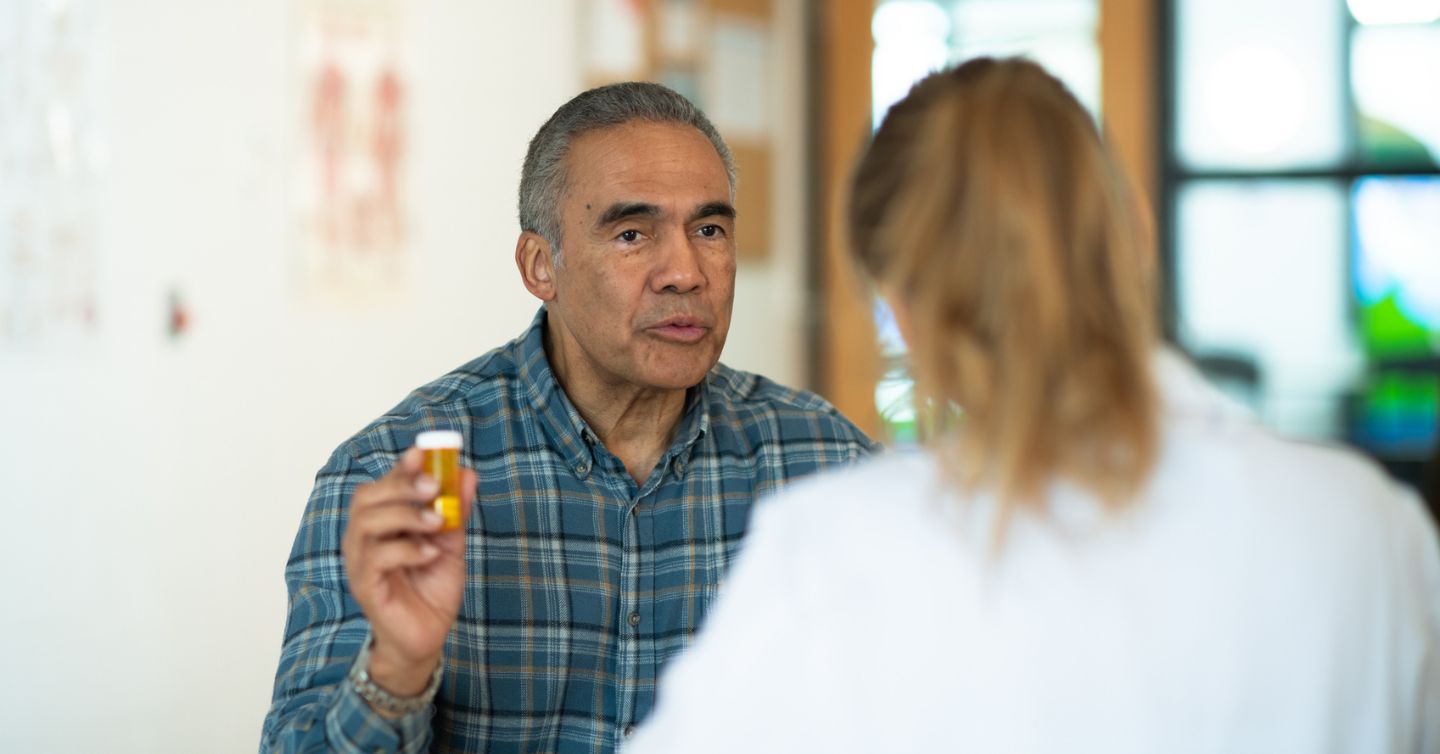
If you’ve had a bone fracture, one of the first things we recommend you do is discuss it with your doctor. You might have gone to the emergency room for the initial injury, but it’s important to follow up with your personal doctor as well. While there, ask about a DEXA scan if they don’t mention it.
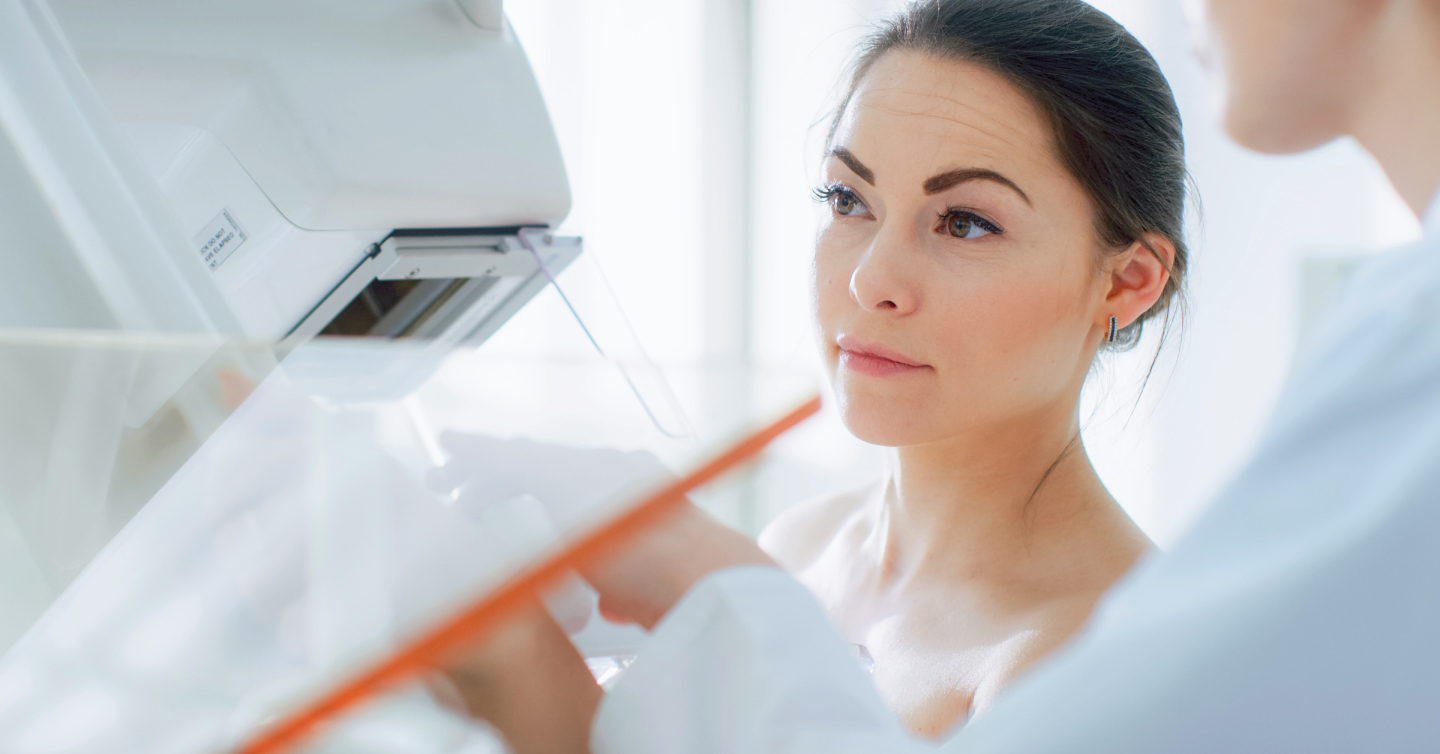
A dual X-ray absorptiometry (DEXA) scan measures bone density and is considered the gold standard for evaluating bone health. The name might make it sound complicated, but the test itself is very simple.
How the DEXA Scan Works
The DEXA scan has been around since the 1990s, and while the technology itself hasn’t changed dramatically, it remains quick, painless and noninvasive. There’s no special preparation, no injections and no recovery time afterward.
During the scan, you will lie flat while a mechanical arm passes above you. The machine uses X-ray beams to measure bone density, as denser bone will block more of the X-ray. A computer then calculates bone mineral content.
Understanding DEXA Results
There are two important numbers from the results of a DEXA scan: a T-score and a Z-score. The T-score is a comparison of your bone density to that of a healthy 30-year-old. The Z-score compares it to people your own age and size.
T-Score
- Normal: -1.0 or higher
- Osteopenia: between -1.0 and -2.5
- Osteoporosis: -2.5 or lower
Z-Score
- Normal: -2.0
- Lower than expected: below -2.0
Who Needs a DEXA Scan?
A DEXA scan is recommended for women age 65+ and men age 70+, but there can be other reasons for getting screened for osteoporosis too. People may be at an increased risk for osteoporosis and could therefore benefit from a DEXA if they:
- Are postmenopausal
- Are older adults
- Have diabetes
- Have chronic kidney disease
- Have rheumatoid arthritis
- Have thyroid disorders
- Have gastrointestinal conditions that affect nutrient absorption
As mentioned, osteoporosis can often develop without any obvious symptoms. Knowing your risk factors and getting screened can help identify concerns before any injuries occur.
Is a DEXA Scan Only Needed Once?
How often you receive a DEXA scan will depend on several possible factors, including your age, risk and any previous scan results. If you have been diagnosed with osteoporosis, your doctor may recommend follow-up scans every one to two years. But if you’ve had a scan before and the results were normal, you may not require a follow-up scan, at least not for several years.
What Happens If You’re Diagnosed With Osteoporosis?
Many people assume an osteoporosis diagnosis means there’s little they can do. The fear of being diagnosed without feeling like they can do anything to control it can stop some people from getting the scan in the first place. Fortunately, this is just not the case.
While osteoporosis cannot be completely reversed, there are a number of ways to help protect bone health and reduce the risk of future fractures.
Depending on your situation, your provider may recommend:
- Prescription medications
- Calcium supplementation
- Vitamin D supplementation
- Weight-bearing exercise
- Physical therapy
- Fall prevention strategies at home
In many cases, the goal is simply to maintain bone health, reduce fracture risk and help you continue doing activities you enjoy.
If there’s one thing to take away from all this, it’s that a fracture might be fully healed, but that doesn’t necessarily mean the story is over…
A fracture after age 50 is often not simply an accident. For some, it can be the first indication that bone density has changed. The only way to know is to have the conversation with your doctor and get a DEXA scan.
Remember, the goal isn’t just recovering from one fracture… the goal is to prevent the next one.