Is Leaking Urine Normal? What to Know and What to Do About It
By Heather Heard, quality care coordinator – community outreach at Network Health
5/12/2026
Bladder leakage is often thought to be a normal part of aging, but that belief can prevent people from getting the help they deserve. Because bladder concerns can feel personal or uncomfortable to talk about, many people delay getting help even though support is available.
It is common to experience some level of bladder leakage as you age, but the good news is that it’s highly treatable, and early care can make a meaningful difference. With today’s range of effective treatment options, many of which do not require surgery, people often experience symptom relief and improved quality of life after speaking with their personal doctor sooner rather than later.
Common Types of Bladder Leakage
People can leak urine for a variety of reasons, so while you’re never alone in experiencing bladder leakage, the cause can vary from person to person. When you understand your symptoms, it becomes easier to ask questions, explore options and take the next step with confidence.
- Stress incontinence: Leakage during activities like coughing, sneezing, laughing or lifting due to weakened muscles that support the bladder.
- Urge incontinence: A sudden, strong need to urinate that can be difficult to control and is often related to an overactive bladder.
- Mixed incontinence: A combination of stress and urge symptoms.
- Overflow incontinence: Frequent dripping or leakage when the bladder does not fully empty.
- Functional incontinence: Leakage due to difficulty getting to the bathroom in time, often because of mobility, environmental or memory challenges.
Why Acting Early Matters for Urinary Incontinence
Which of these fits your symptoms? Regardless of which type of urinary incontinence you’re experiencing, acting early helps you gain control. In fact, many bladder problems respond best to simple, non-invasive steps when addressed early, which is why it’s important to start the conversation.
Early action also makes those non-invasive and conservation treatments more effective. Things like pelvic floor exercises, bladder retraining, dietary changes and treating constipation are often most successful when started early. Doing so can also help you avoid long-term medication or even completely reverse your bladder leakage if treatment happens before the muscles and nerves become too weak.
How to Fix a Leaking Bladder
Many people are unaware that treatment options exist. Unless you are actively looking for the information, it’s easy to miss education about the reversible causes and wide range of treatments available. Some people might even assume the only options are “wearing a pad” or “having major surgery.” They may not realize there are many other ways to manage bladder leakage, and while common, you don’t have to just live with it as you age.
Our team of nurses is available to answer questions about bladder leakage and connect our members with helpful resources. You can also review your medications with the Network Health Pharmacy team, as some medications like diuretics can affect bladder symptoms. You may also have access to plan benefits that support bladder health and safety, so feel free to reach out.
Your local Aging and Disability Resource Center (ADRC) can provide guidance on low cost home modifications, such as improved lighting or grab bads, that may reduce fall risk.
Start the Conversation
The first step in treating a leaking bladder is to talk to your personal doctor. If it’s difficult for you to talk about, here are some questions that can guide you.
- “I’ve been having some bladder leaks… Can we talk about what might be causing them?”
- “Could any of my medications be contributing to this?”
- “Is this something that could improve with exercises or therapy?”
- “Are there treatment options, such as medications or vaginal estrogen, that might help me?”
- “I’ve noticed I’m rushing to the bathroom more often. Could this increase my risk of falling?”
But you might be thinking, “I only sometimes leak just a little urine while I sleep or when I really have to go to the bathroom badly… Do I really need to talk to my doctor about this now?” It’s a fair question, but as we said, acting early matters when it comes to urinary incontinence, so if you have any concern at all, it’s best to just have that conversation.
How to Know When to Get Help
If you’re still unsure whether you need help with bladder issues, below are some things people often notice that prompt a discussion with their doctor.
- Constant or worsening leakage, or feeling unable to fully empty your bladder
- Pain or burning while urinating
- Blood in the urine
- Sudden changes in urination, such as strong urgency, frequent trips to the bathroom, difficulty starting a stream or a weak stream
- New numbness or weakness, especially in the legs
- Frequent urinary tract infections, which can occur when bladder leaks or incomplete emptying allow a buildup of bacteria
- Falls or near falls
- Avoiding activities due to bladder concerns
- No improvement after trying self-care or lifestyle changes
If any of these are familiar, your doctor can help you understand what’s happening and explore treatment options. If necessary, they may also have you talk to a pelvic floor physical therapist, a specialist like a urologist or urogynecologist, or an OB/GYN.
Bladder Leakage Impacts Safety
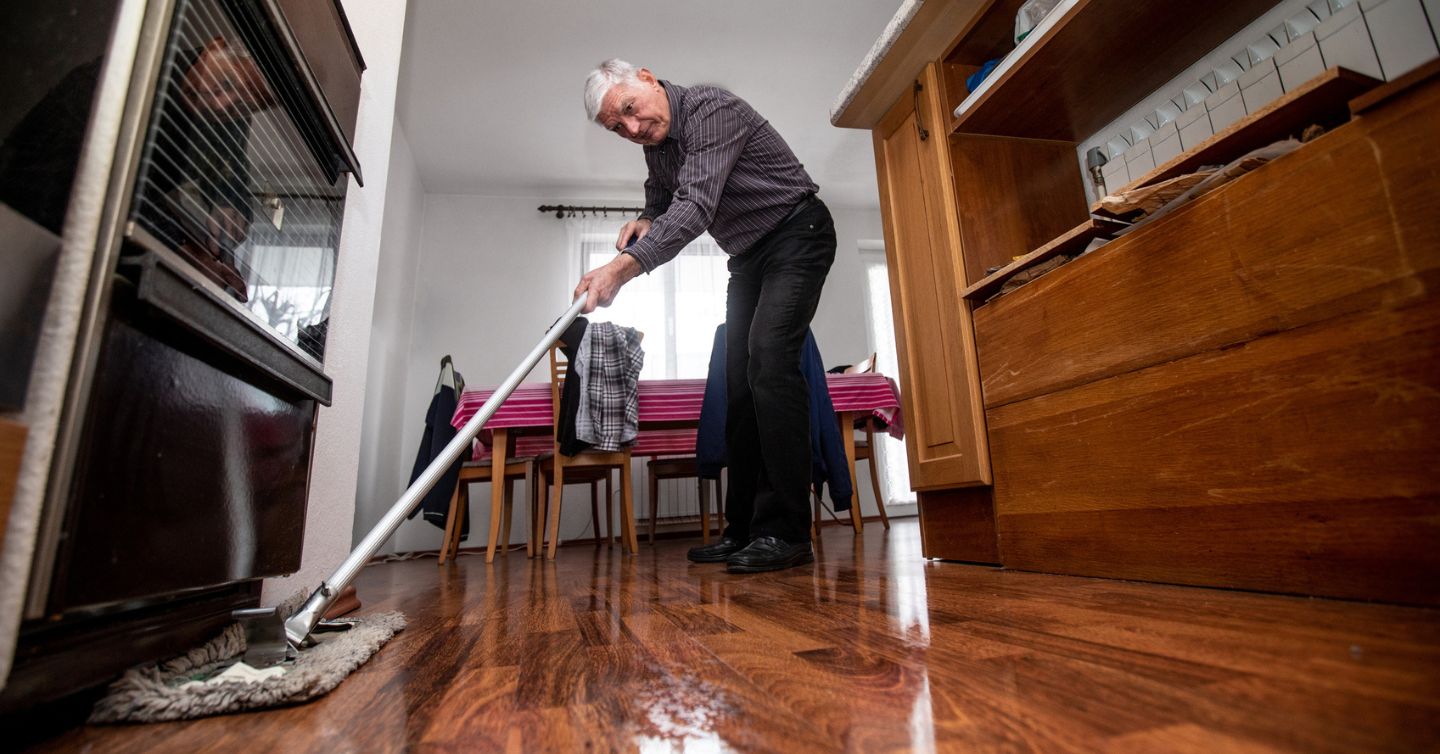
Bladder urgency and leakage can also affect your safety. Rushing to the bathroom or getting up frequently at night can increase your risk for falls. Small changes like better lighting, grab bars or scheduled bathroom breaks can help reduce the risk, but addressing urinary incontinence head-on is also encouraged.
What You Can Do at Home to Treat a Leaking Bladder
As mentioned, if self-care or lifestyle changes don’t help your bladder leakage, it’s a sign that it’s time to talk to a doctor. But if you haven’t tried any yet and your symptoms are mild, there are steps you can take at home.
Voiding Diary
Even if you do plan to go to the doctor for your bladder concerns, keeping a diary of what you drink and when you pee is helpful. For 24 to 72 hours, write down exactly what you have to drink, when you pee and when a leak happens. This helps you can your doctor identify if leaks only happen after certain drinks and helps you get an accurate diagnosis.
Manage Your Fluids and Irritants
That diary can also help with this next one, which is managing what you drink and how much. Drinks that contain caffeine or alcohol, for example, can “tickle” the bladder muscle, which can be enough irritation to cause sudden urges to go to the bathroom.

Pelvic Floor Exercises (Kegels)
Your pelvic floor contains what are called the “gatekeeper” muscles, and strengthening them is one of the most effective ways to stop leaks, especially if they are of the stress leak variety we mentioned earlier. These exercises help the muscles stay closed more effectively when you cough, laugh or lift objects.
Weight Loss
Losing weight can ease symptoms of urinary incontinence.
Quitting Smoking
There are many reasons to quit smoking, and helping to alleviate urinary incontinence symptoms is just one of them.
Knowledge is power, and support is available. Bladder leakage doesn’t have to be something you simply live with. Many causes can be treated and even reversed. When you understand what’s happening, you gain the power to take action. Network Health is here to support you every step of the way.
References:
Urine Leaks Aren't Normal As You Age
Understanding Barriers to Care for Urinary Incontinence Among a Contemporary Cohort of Women
Urinary Incontinence in Older Adults | National Institute on Aging