What’s New With Mammogram Technology?
The Latest Mammogram Technology is Warmer, Gentler and More Accurate
By Jennifer Footit-Tank, BSN, RN, CCP, quality care coordinator at Network Health
3/11/2026
If you’re very overdue for a mammogram, you might be remembering an experience that felt cold, uncomfortable or intimidating. Maybe you worry about pain, modesty or being called back for more images. Those concerns are real, and they’ve kept many people from scheduling a screening they genuinely need.
The good news is that new mammogram technology has changed the experience in meaningful ways. Today’s imaging centers use advanced technology compared to mammograms of the past, and this includes warmer equipment and more flexible positions. This all creates a process that’s faster, gentler and more precise.
The Problem with Older Mammogram Technology
Women have always wanted a screening that’s less painful, clearer and easier to get through, but older mammogram technology fell short. Instead, mammograms of the past were cold, rigid and uncomfortable. Images were harder to interpret, and that meant more callbacks for additional imaging.
Because of this, you’ve likely heard from your mother or grandmother how uncomfortable and unpleasant mammograms were, causing you to worry about pain or unclear results at your own mammogram. There certainly used to be a lot of truth to this, but this is far less true today thanks to advancements in mammogram technology.
How Mammograms Have Improved
More Comfortable Mammograms
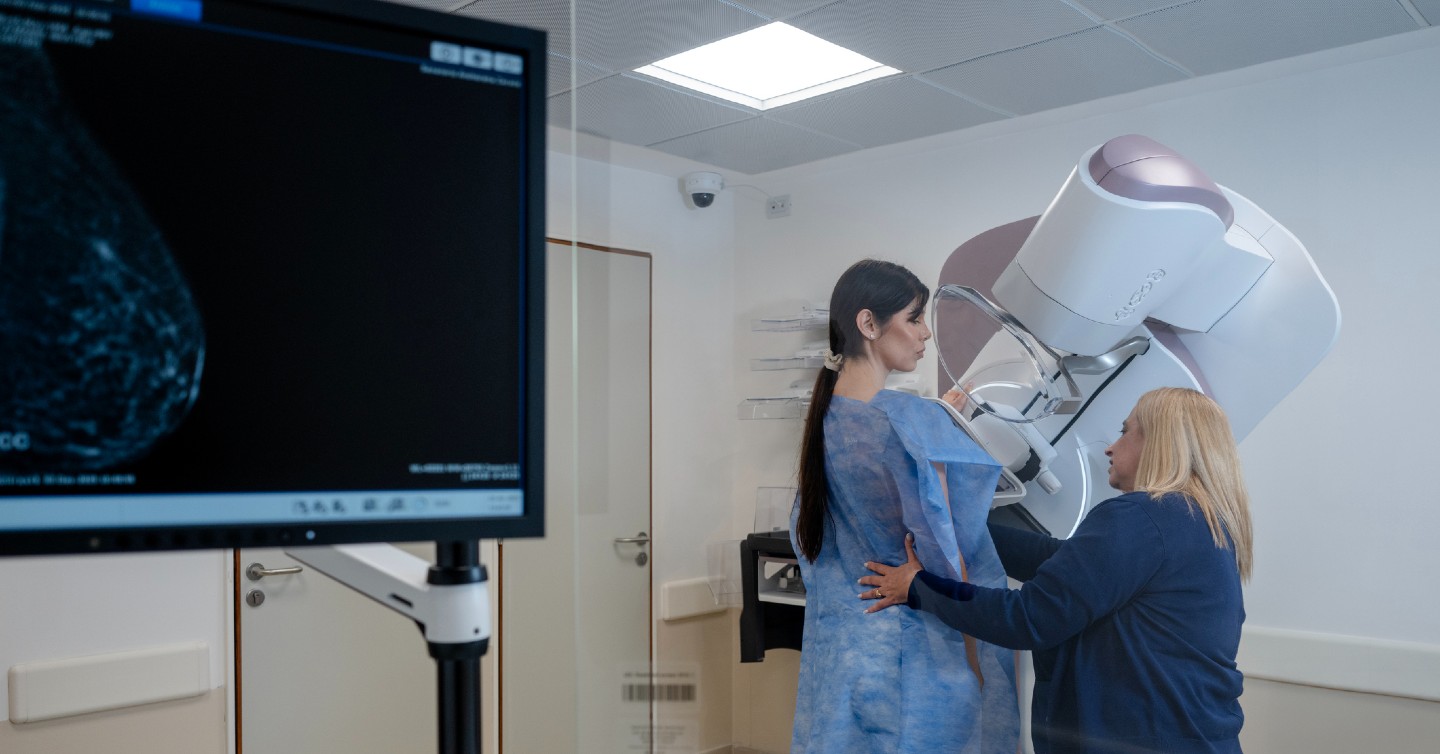
Historically, comfort has always been the biggest complaint when it comes to mammograms. These days, however, not so much. Modern breast imaging uses warmed plates, curved paddles and cushions that match the natural shape of the breast. These improvements make the exam feel gentler and more supportive. Some facilities even offer patient-controlled compression.
Better Imaging
Breast cancer centers are more commonly using 3D mammogram technology. This delivers better images and reduces the need for additional imaging or repeat scans. This can be particularly helpful for dense breast tissue, which can make cancer detection more difficult.

3D vs 2D Mammogram Differences
While some facilities still use 2D imaging, it’s becoming very rare. This is because 2D imaging only takes images from the top, bottom and sides of the breast, giving a box view of the breast.
On the other hand, 3D mammograms take images of the breast in an arc, moving from left to right. This provides many different angles of the breast tissue, ultimately creating a 3D picture that is more comprehensive. With this 3D image, detecting abnormalities in the breast is far easier.
Access Regardless of Financial Situation
These new technologies and enhancements for mammograms typically don’t come with some kind of extra charge, either. Preventive screenings are typically no cost (diagnostic screening cost can vary by health plan) even when they are the newer 3D form of mammography, as this is becoming the standard of case for routine mammograms.
If you’re unsure, however, it’s always a good idea to check with your health plan to see what’s covered. If cost is a concern, the Wisconsin Well Woman Program can cover mammograms and additional testing for eligible individuals.
Accessibility for Those Using a Wheelchair
While not new, mammography machines do have the technological ability to accommodate both standing or sitting patients. Don’t let using a wheelchair stop you from getting your screening.
The machine can be moved to allow you to remain seated. In addition, anyone with a disability can have someone accompany them into the room if assistance is needed. But it’s also good to know that mammography technicians are well-trained and are able to complete screenings comfortably for a wide range of individuals.
Don’t Delay Your Breast Cancer Screening
If you delay screening, small issues that could have been caught early may progress without symptoms. After all, not all cancers form obvious lumps, and sometimes they can only be discovered through imaging. With today’s mammogram technology, you’re in a better position than ever to catch breast cancer early, as long as you get your routine screenings.
This is what the latest mammogram technology is designed to deliver—more accurate and comfortable imaging with fewer callbacks and earlier detection.