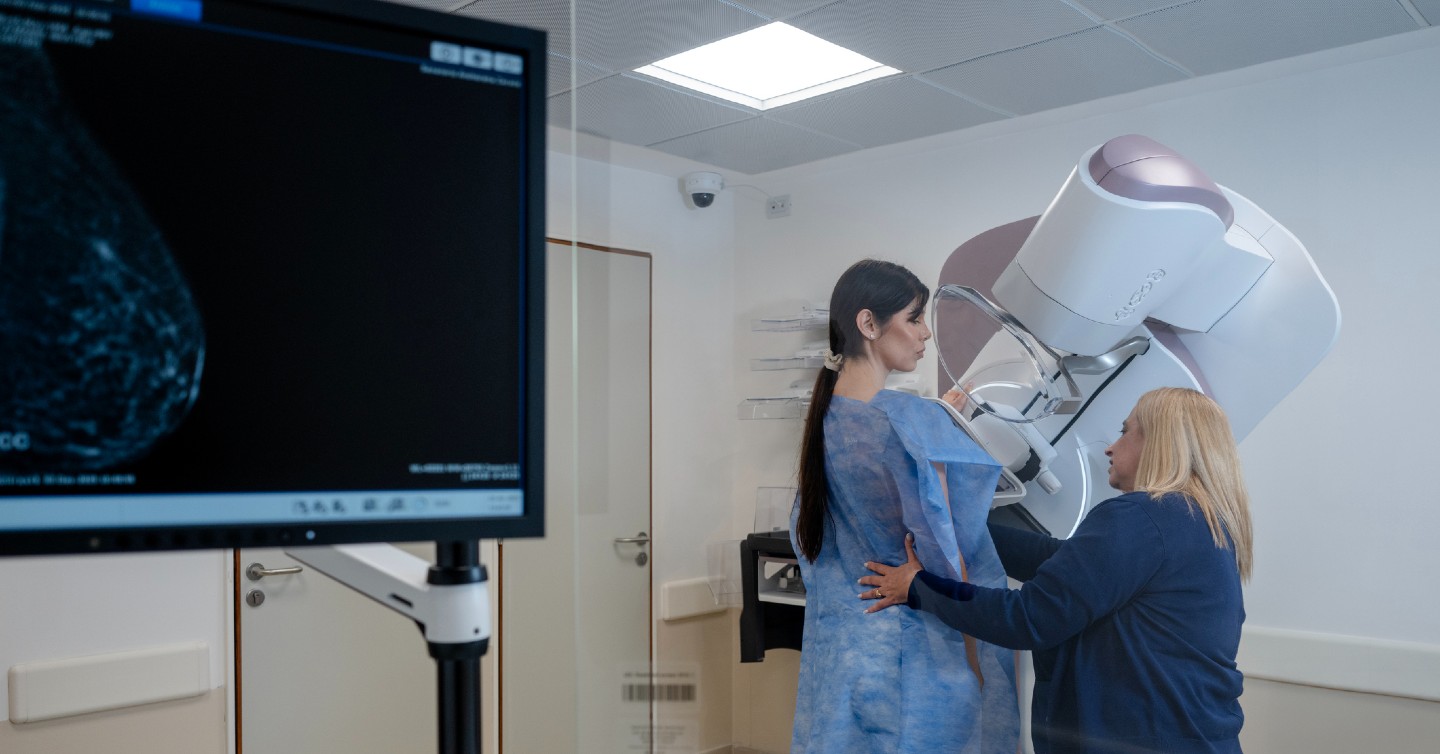
Preventive vs. Diagnostic Mammograms: What You Should Know
By Jennifer Footit-Tank, BSN, RN, CCP, quality care coordinator at Network Health
3/4/2026
Many women are surprised when one mammogram is completely free and another results in a bill. It feels inconsistent and confusing, and the worry about cost can add stress to something that already feels emotional.
We help many women understand exactly what’s happening with their breast health, and we know no one should feel unsure about the difference between a preventive and diagnostic mammogram, what happens when additional testing is needed or how insurance is going to cover everything.
Why the Difference Between Preventive and Diagnostic Matters
The terminology is confusing…
We realize the terminology used can be confusing, so let’s make it simple…
Preventive mammograms are usually no cost for most women. But if the radiologist needs extra images, the exam switches from preventive to diagnostic and usually requires monitoring every six months. This can involve deductibles depending on your coverage. The shift happens the moment additional views are ordered.
Diagnostic sounds scary…
When women hear the word “diagnostic,” their minds often go straight to the worst-case scenario. You can go into a mammogram with no concern whatsoever, and suddenly, hearing that word changes your entire mindset. Fear of cost, fear of bad news and fear of the unknown can make the follow-up process feel overwhelming.
No one should delay care because they’re confused…
Breast changes deserve attention, whether it’s a lump, pain, dimpling, nipple changes or a persistent rash. Nobody should hesitate to report symptoms or complete follow-up imaging because they are unsure how coverage works.
Diagnostic DOES NOT automatically mean cancer

When Preventive or Diagnostic Mammogram Imaging Gets Used
So, we understand how emotional this process can be. Women often put their own health last, and breast imaging brings up a mix of vulnerability, fear and practical concerns. But we cannot emphasize enough how important it is to ask questions, speak up about any discomfort and be honest about how you’re feeling.
You’re not alone—and your concerns are normal.
The Purpose of Preventive Imaging
Preventive mammograms are routine screenings. For insurance purposes, preventive mammograms are typically no cost for you.
Preventive mammograms are used in the following scenarios:
- When you have no breast symptoms
- When it’s part of a routine screening, whether that’s once per year or every other year, depending on what your personal doctor believes is best.
- When it’s time for regularly scheduled age-based screening, which usually starts at age 40.
The Purpose of Diagnostic Imaging
Diagnostic mammograms are used in the following scenarios:
- A preventive screening shows an area that needs a closer look
- A person reports breast symptoms that prompt the need for a mammogram, such as a lump, pain, or skin changes.
A diagnostic mammogram may provide a more targeted view of the breast but is otherwise the same as a preventive mammogram.
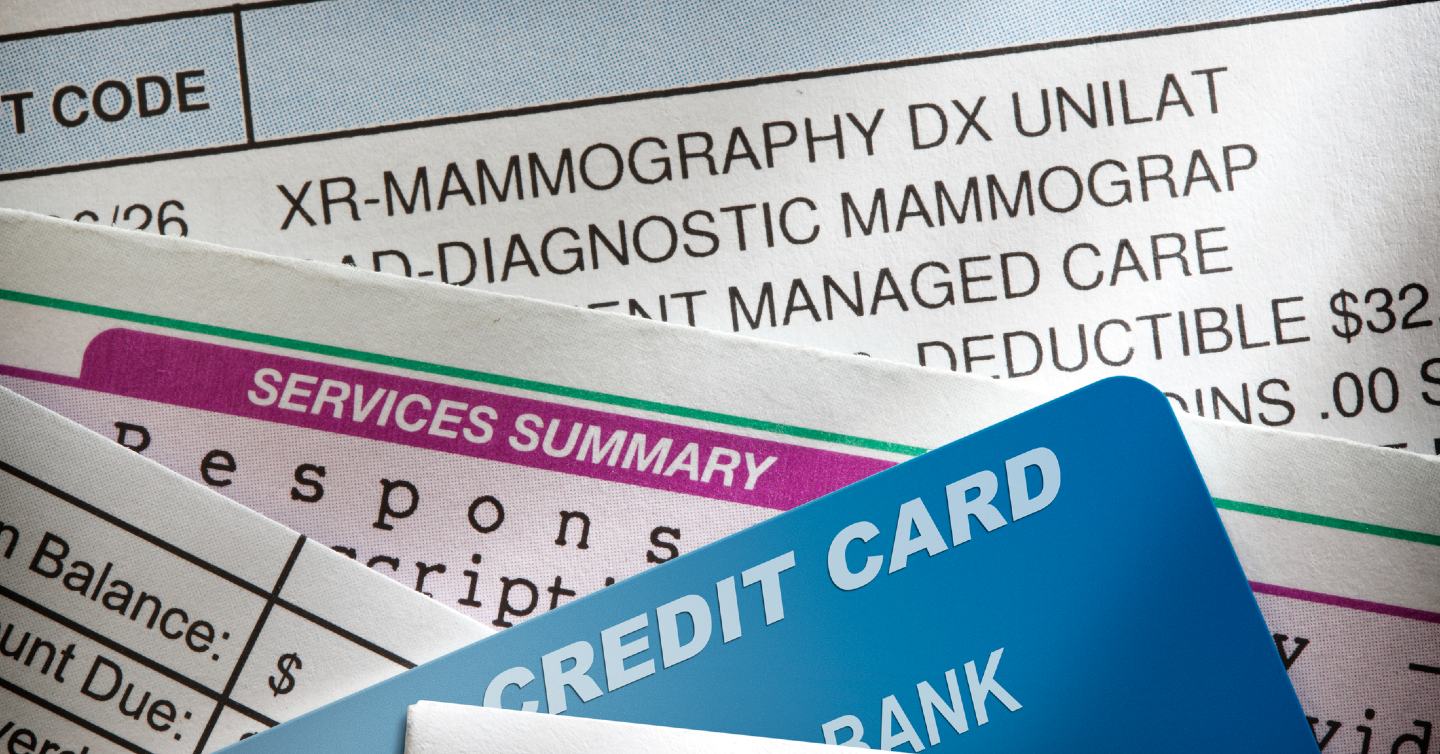
The big difference between a preventive and diagnostic mammogram is a billing distinction, where the former is often covered by your health plan under routine screening while the latter may often require payment toward a deductible.
How to Avoid Surprise Costs from a Mammogram
With the difference between preventive and diagnostic mammograms being the purpose for the imaging and how they are billed, there isn’t much you can do to avoid costs. That said, staying on track with preventive screening is the best way to ensure you are getting the imaging you need in the most cost effective way.
But if you’re unsure whether a scheduled mammogram is preventive or diagnostic, you can just ask. If your provider isn’t able to say for sure, you can ask what code they are using for billing, then call your health plan so they can check the code and verify that a mammogram is preventive or diagnostic.
Wisconsin Well Woman Program
Having a preventive mammogram covered by your health plan is great, but if you have little or no insurance, we realize that may not be much help. Thankfully, there is the Wisconsin Well Woman Program.
This program will pay for breast cancer screening and diagnostic testing if the screening results are abnormal. It will also help with human papillomavirus tests, pelvic exams and cervical cancer screening. There is no copayment, deductible or premium cost on your end.
You just need to meet the eligibility:
- Be a woman between ages 40 and 64
- Don’t have health insurance or…
- Have insurance that doesn’t cover routine check-ups and screenings
- Not be able to pay the deductible or copayment
- Live in Wisconsin
- Meet income requirements (at or below 250% of the federal poverty level)
There are some exceptions to the age qualification, and you can learn about that and more by visiting the Well Woman Program website.
Take a Step Toward Your Health
If you’re due for a preventive mammogram, schedule it. Don’t wait. Even if life is busy, it’s only a little bit of time that can make a big difference. Keeping up with your preventive screenings can ensure that you get your mammograms done in the most cost effective manner and that any abnormalities are caught early.