At What Age Should I Stop Getting Mammograms?
By Jennifer Footit-Tank, senior quality care coordinator at Network Health
6/18/2026
If you’ve been getting mammograms for years, it’s completely normal to start wondering if, or when, you’re supposed to stop. A lot of women reach their late 50s, 60s or 70s and start asking the same questions…
“Is there a certain age when mammograms aren’t necessary anymore?’
“Am I doing too much… or not enough for breast cancer screening?”
The uncertainty makes sense. There isn’t a simple yes or no answer to these questions. In fact, there can be a lot of confusion around whether breast cancer screening should be stopped at a certain age, and there are even some differences in the recommendations from leading health care organizations. So, if you’ve heard different answers from different places, you’re not imagining it. Research for women and breast cancer over 70 is still evolving, while the decision to stop or continue mammogram screening can be a personal one.
Because of this, there is no hard cutoff for receiving regular mammograms for breast cancer screening at any certain age. Age 74 is often referenced as the age when women can stop receiving mammograms for screening, but again, that’s not really how it works.
Why You Should or Shouldn’t Continue Mammogram Screenings
These guidelines are just that: guidelines. They aren’t strict rules that apply the same way to each and every woman. What actually matters more than your age is your overall health and what your life looks like moving forward.
For example, if a woman is in her mid-70s and in great health, staying active and independent, her doctor might tell her that it makes sense to continue screening for breast cancer on a regular basis. On the other hand, if someone has more serious health issues and wouldn’t realistically benefit from treatment, the conversation might look completely different.
At its core, the question becomes… Would finding something early actually help you?
Consider Your Personal Risk
Age and general health are just part of the picture. Your personal risk factors also play a big role in this decision.
Your doctor may look at things like your family history, whether you carry certain genetic markers like BRCA1 or BRCA2, if you’ve had abnormal mammograms in the past or if you’ve ever had breast cancer before. Even breast density can factor into the conversation.
All of those pieces help determine whether continued screening is likely to benefit you or whether it may lead to more stress than value.

Consider Possible Follow-up Testing
Many people think of mammograms as a simple “you’re good” or “you’re not” kind of test. In reality, it’s often just the first step.
A mammogram might flag an area that needs a closer look, which can lead to more imaging like ultrasounds or MRIs. From there, it may lead to biopsies and eventually decisions about treatment. This is where the nuance really comes in for women later in life.
When something abnormal shows up, it can lead to a- series of decisions about whether to treat it and how aggressively. Some findings may never become life-threatening, but once they’re discovered, they’re hard to ignore.
While receiving your regular breast cancer screenings earlier in life is always the best decision, at a certain age doing what’s best can become unclear. Thankfully, it doesn’t have to be a permanent decision. Remember… if at any point in your health care journey you decide mammograms are important again, you can have that conversation with your doctor and restart screening.
Are Mammograms Covered by Insurance as You Age?
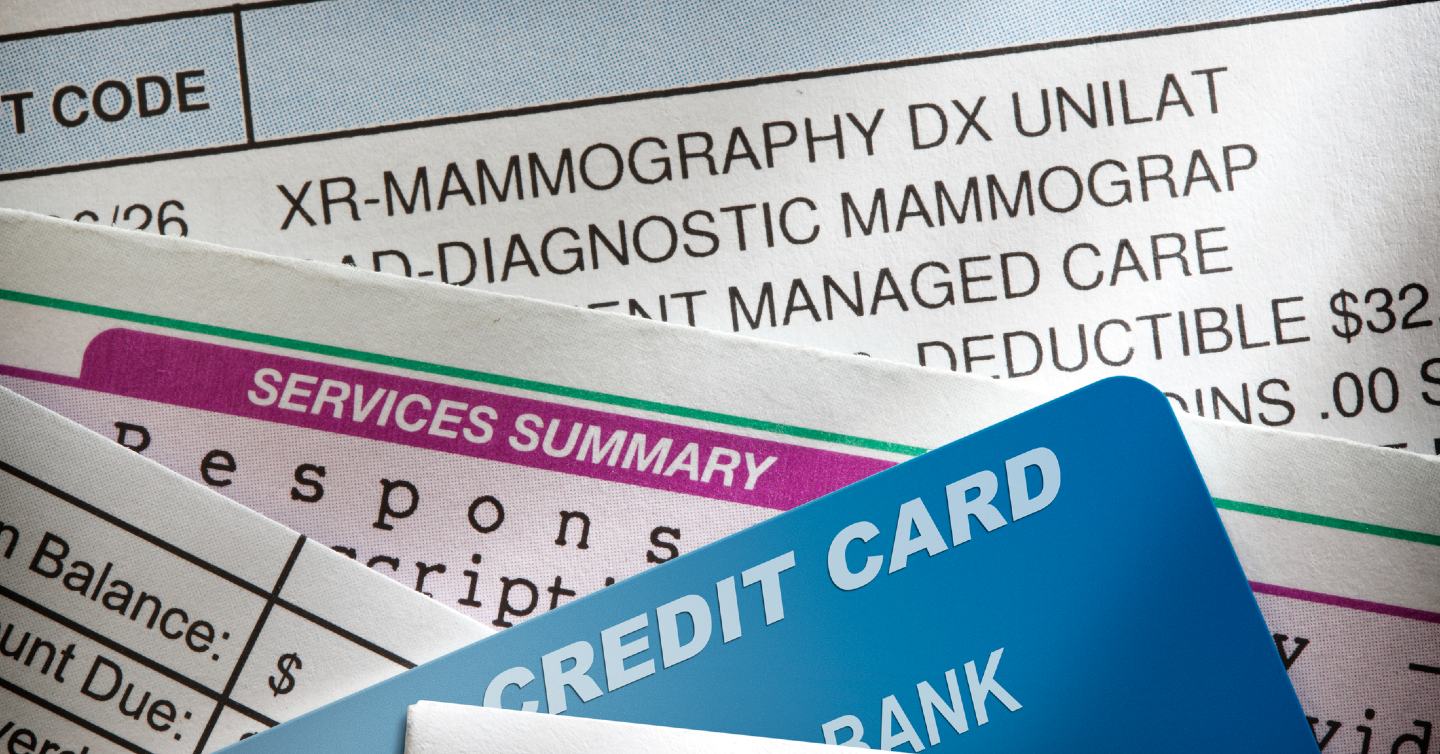
One common concern for many is whether screening will still be covered as you get older. In most cases, it will be as long as there’s a medical reason for it.
Insurance companies usually don’t say no because you’re too old. If there’s a reason for it, it’s typically covered. That decision is based on your provider’s recommendations, not just your age.
Your health needs are personal and we are here to support your health journey. Talk with your personal doctor about what’s right for you and your needs today.