Treating Osteoporosis With or Without Medication… Myths and Facts You Should Know

By Beth Coopman, pharmacist at Network Health
4/17/2026
- Osteoporosis and osteopenia increase your risk of breaking a bone.
- Bone fractures are not an inevitable part of aging.
- Medications for osteoporosis are proven to lower fracture risk.
- Just because you don’t “feel” the medication working doesn’t mean it isn’t.
- Serious complications from osteoporosis medications are rare.
- Some common medications can affect bone health, so it’s important to review them with your doctor.
- Medication isn’t the only way to treat osteoporosis. Lifestyle changes like diet and movement help too.
If you’ve been told you have osteopenia (your bone density is below normal) or osteoporosis (your bone density is significantly below normal), you might be wondering what that means for your daily life and whether medication is really necessary. We’ll clear up some of the common myths we hear and help you understand your options.
The loss of bone strength places you at a higher risk for a bone fracture or break. Osteoporosis treatments are effective in reducing the risk of those injuries. The reason to use medication for your bones is to balance the bone formation process to keep bones from becoming brittle. Let’s look at some common misconceptions about osteoporosis and treatment.
Myth: Breaking a bone is a natural part of the aging process.
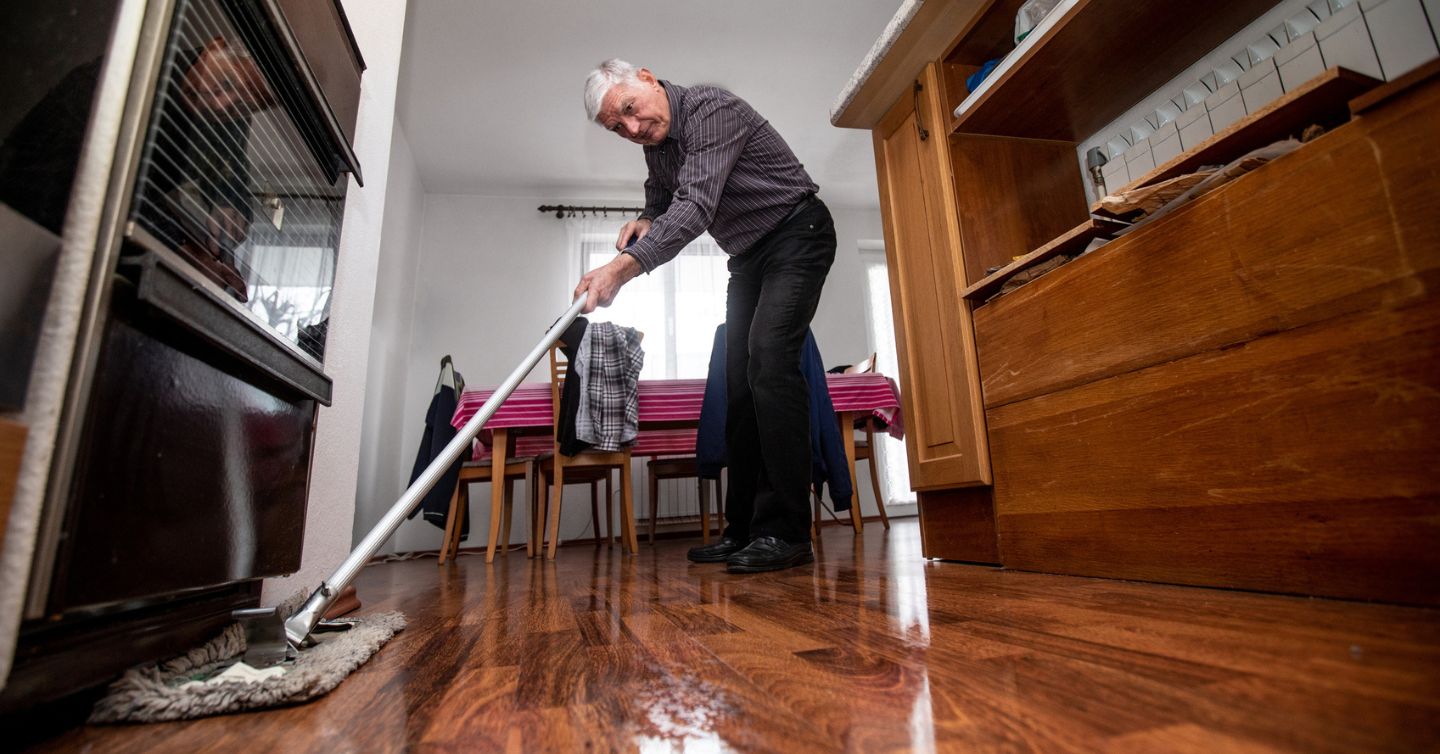
It is true that bones do weaken naturally as we age but having to sustain a bone fracture is not a natural process. Bone fracture and untreated weak bones make life much harder than it needs to be, decreasing your ability to live independently. What this potentially means is pain from even routine movement or daily activities, like getting dressed or cooking. It can also mean weaker muscles, making balance harder and causing you to avoid activities you might otherwise enjoy, whether it be playing pickleball, working in the yard or just taking an evening walk. A bone fracture may have other negative consequences too, such as a new source of pain.
Myth: No one in my family has osteoporosis or osteopenia so I’m not at risk.
Family history puts you at greater risk for developing osteoporosis. However, other factors increase the risk of osteoporosis outside of genetics, such as being female, getting older, having a smaller body frame, not getting enough calcium, taking certain medications and being physically inactive.
Myth: Over-the-counter medications and prescription medications do not cause bone loss.
Many over-the-counter medications can influence bone strength. For example, if you take medicine to control GERD (gastroesophageal reflux disease) or heartburn at high doses for an extended period they may weaken bone strength. Medications such as Nexium (esomeprazole), Prevacid (lansoprazole) or Prilosec (omeprazole), also known as proton pump inhibitors, may cause fractures of the hip, wrist and spine.
Steroids, like prednisone, cause bone loss too. The higher the dose, the more bone loss. Doctors often try to limit steroid use to the lowest dose and shortest duration for this reason.
Glucagon-like peptide-1 (GLP-1) medications, like Ozempic and Wegovy, may also contribute to bone loss through general weight and muscle loss. Doctors might have discussions with their patients about adequate protein, calcium and vitamin D intake to help this risk.
Some medications used for certain cancers can cause bone loss too…
- Aromatase inhibitors (AI), like anastrozole, letrozole or exemestane
- Androgen deprivation therapy (ADT), such as leuprolide and goserelin
Calcium with vitamin D bone vitamins, activity and sometimes prescription bone medications are used to combat AI and ADT bone loss. Depending on your bone density result from your bone density scan (i.e. DEXA scan), your doctor may decide to add a prescription bone medication as well.
In some instances, you need the medication that may cause bone loss to treat a serious condition. For example, AI and ADT cancer medication are required treatments for some individuals and the doctor will work with you to manage the bone loss side effect. In other instances, you can talk with your doctor about switching to another medication that is more bone‑friendly, like using a lower dose or discontinuing the proton pump inhibitor to help reduce this risk.
Myth: I tried osteoporosis medication and didn’t like the side effects, or I didn’t notice any difference in how I felt—so all osteoporosis medications must be the same.
There are many different types of osteoporosis medications that are available. Talk to your doctor about any side effects you are experiencing. They can help to determine if another medication would be tolerated better.
Unlike pain medicine, osteoporosis medication doesn’t make you feel different. Its benefit shows up over time by lowering your chance of a serious fracture. Routine bone density testing is the best way to measure how effective your medication is.
Myth: Medications that treat osteoporosis often cause jaw bone damage, also known as osteonecrosis of the jaw (ONJ).
This is a rare disorder that has been associated with the use of bisphosphonate medications and occurs in fewer than 1 percent of patients. For most people, the risk of a broken bone is much higher than the risk of jaw damage.
Remember the fact mentioned earlier— according to the Bone Health and Osteoporosis Foundation, one in two women over age 50 will break a bone because of osteoporosis. The risk of fracture is much higher than ONJ with bisphosphonate use. Bisphosphonates are medications that help protect bones by slowing bone loss and reducing the chance of fractures.
Examples of bisphosphonates are…
- Fosamax (alendronate)
- Actonel (risedronate)
- Reclast (zoledronic acid).
The majority of ONJ incidents occurred in patients who had taken repeated high doses of intravenous (IV) bisphosphonates, not people taking a regular dosage. The risk of developing ONJ occurs with diabetes, smoking, poorly fitting dentures, major dental work, steroid therapy and existing cancer diagnosis. Talk with both your doctor and your dentist about your dental health, current health conditions and your bone health goals to make the correct medication choice to avoid complications such as ONJ.
Myth: Osteoporosis medication will cause hair loss.
Hair loss with osteoporosis medication is not common, but it has been reported with several osteoporosis medications, most notable bisphosphonates and denosumab. When it does happen, it’s usually mild, diffuse and even reversible. In fact, other causes of hair loss are far more common.
Don’t stop treatment for osteoporosis just because of the potential for hair loss. Instead, talk to your doctor about alternatives.
Myth: Taking medication to prevent bone loss is my only option.
Osteoporosis is often treated with medication. However, there are vitamins and lifestyle adjustments that provide benefit to bone health too.
Diet – Try to get at least 1000–1200 mg of calcium and 400–800 mg of vitamin D daily. Make sure to space out calcium doses to about 500mg–600 mg at a time. Often this is accomplished through diet and supplements.

Stay active – Weight bearing exercise such as hiking on level surfaces and strength training by lifting weights put pressure on the bones which increases bone density.

Avoiding smoking and heavy alcohol use
When making your decision to start a medication to help with your osteopenia or osteoporosis diagnosis, talk to your health care provider about any concerns you have regarding medication and explore areas of your lifestyle where a fracture is most likely to impact your independence. Becoming better informed will allow you to make choices that are best for your bone health.
- Talk with your doctor about your bone density results and what they mean for your fracture risk.
- Review your current medications to see if any could affect your bones.
- Ask about medication options and lifestyle changes to treat osteoporosis.
- If you start a medication, ask how it will be monitored and when you should have follow-up bone density testing.
- Focus on everyday steps that protect your independence, such as staying active, eating for bone health, and reducing fall risks at home.